
Best epoxy resin for marble bonding

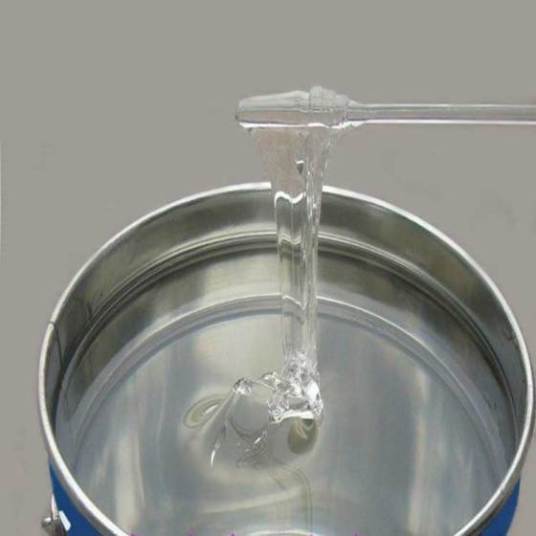
Marble, with its naturally elegant texture and unique veins, has become the preferred material for residential and commercial interior decoration, and is widely used in countertops, fireplace facings, wall panels, stair risers and other applications. However, marble is porous and sensitive to moisture, so its bonding requires the use of special adhesives that not only meet high-strength bonding requirements but also ensure aesthetic compatibility with the stone. Epoxy resin has become the gold-standard material for marble bonding due to its high shear strength, low shrinkage rate, and excellent resistance to environmental stress. This guide will delve into the core selection factors of high-quality epoxy resin for marble bonding, recommend high-performance products, and share professional construction techniques to help achieve durable and stable bonding results.
Core Selection Criteria for Epoxy Resin for Marble Bonding
Not all epoxy resins are suitable for marble bonding applications. Marble has delicate components (prone to staining and chemical reactions) and is used in diverse scenarios (such as vertical installation, crack repair, structural bonding, etc.), which requires the adhesive to meet specific performance indicators. The following are the core evaluation criteria that cannot be ignored:
Stain-Free Formula
Light-colored marble and natural stones are highly susceptible to discoloration caused by solvent-based adhesives. 100% solvent-free solid epoxy resin should be selected. Such products do not contain volatile organic compounds (VOCs) that can penetrate the pores of marble, thus avoiding the risk of staining from the source. Be sure to choose products clearly labeled “suitable for natural stones, stain-free” to preserve the original appearance and texture of the stone.
High Bonding Strength and Durability
Epoxy resin for marble bonding must have excellent shear strength and tensile bond strength to withstand structural loads and daily wear and tear. The American National Standards Institute (ANSI) A118.3 and the International Organization for Standardization (ISO) 13007 (R2T class) are recognized reliable standards in the industry. Products complying with these standards typically have a shear bond strength of more than 1,000 pounds per square inch (psi) (6.90 megapascals (MPa)) and a compressive strength of more than 3,500 psi (24.1 MPa). For structural bonding scenarios between marble and substrates such as concrete and steel, priority should be given to epoxy resins whose tensile bond strength remains ≥ 2 N/mm² after immersion or thermal shock testing.
Vertical Application Suitability (Anti-Sagging Performance)
Many marble installation scenarios, such as wall panels, elevator panels, and stair risers, involve vertical operations, which require the use of thixotropic anti-sagging epoxy resin. High-quality products can maintain shape stability even when applied to a thickness of 1 inch (2.5 centimeters) and will not slip during the curing process. This performance is the key to ensuring accurate positioning and firm bonding of stones in vertical or overhead construction.
Flexibility in Curing Time
The curing time of epoxy resin must match the project schedule:
Standard-cure epoxy resin (tack-free time: 45 minutes – 1 hour, full cure time: more than 5 hours) is suitable for refined installation projects that require high stone positioning accuracy and repeated adjustments.
Fast-cure epoxy resin (tack-free time: 5-8 minutes) is suitable for time-sensitive commercial projects or emergency repair works. It should be noted that fast-cure formulas still need to ensure sufficient bonding strength and compatibility with marble.
Chemical Resistance and Weather Resistance
Epoxy resin for marble bonding must have water resistance, corrosion resistance to household chemicals (such as detergents and acids), and temperature change resistance. For applications in humid environments such as kitchens and bathrooms, products with UV yellowing resistance and moisture resistance should be selected to prevent aging and failure of the bonding layer; for industrial plants and high-traffic areas with dense personnel, epoxy resins resistant to corrosion by chemicals such as oil and solvents should be chosen.
Professional Construction Techniques for Epoxy Resin Bonding of Marble
Even if high-quality epoxy resin is selected, improper construction operations can still lead to bonding failure. Following the steps below can ensure firm and long-lasting bonding:
Substrate Surface Preparation
Cleaning: Use a mild stone cleaner or isopropyl alcohol to remove surface dust, oil stains, and impurities. Do not use highly corrosive chemicals to avoid damaging the marble.
Roughening: Gently sand the bonding surface with fine-grained sandpaper to create a rough surface, which enhances the adhesion of the epoxy resin.
Drying: Ensure the bonding surface is completely dry, as residual moisture will seriously affect the curing effect.
Standard Mixing of Epoxy Resin
Mix the epoxy resin strictly according to the manufacturer’s recommended ratio (commonly 1:1 or 2:1) in a clean container, and stir thoroughly for 3-5 minutes until the mixture achieves a uniform color. Inadequate mixing will cause uneven curing and significantly reduce bonding strength.
Uniform Application of Epoxy Resin
Use a spatula or notched trowel to evenly apply a thin layer of epoxy resin on both surfaces to be bonded. For vertical construction, the application thickness should be moderate: it should ensure full contact between the bonding surfaces while avoiding sagging caused by an overly thick coating. Do not apply excessive amounts, as excess adhesive that overflows can easily stain the marble.
Standard Clamping and Curing
After accurately positioning the marble components, apply uniform pressure using clamps or weights. The pressing time should meet the tack-free time recommended by the product. During the curing period, do not move the components or apply loads. Meanwhile, maintain the ambient temperature between 10°C and 35°C (50°F and 95°F) to ensure optimal curing results.
Timely Removal of Excess Adhesive
Before the epoxy resin cures, wipe off any overflowing excess adhesive with a clean damp cloth. Once the adhesive is fully cured, it can only be removed by sanding, which is highly likely to damage the marble surface.
Avoiding Common Construction Mistakes
Do not use solvent-based adhesives: Such adhesives can cause permanent staining of marble.