
Is epoxy or polyester better for stone?

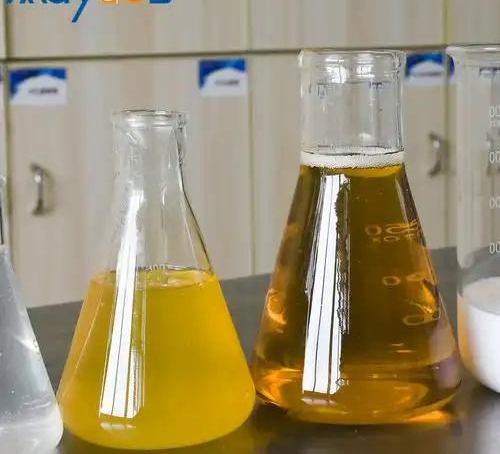
Epoxy Resin vs. Polyester Resin: A Professional Guide to Material Selection for Stone Processing and Restoration
In the stone processing and restoration industry, the selection of resins for bonding or repair directly impacts the structural integrity, aesthetic durability, and long-term performance of stone products. Epoxy resin and polyester resin are the two most widely used materials, but they differ significantly in chemical properties, mechanical performance, and applicable scenarios. This paper systematically compares the characteristics of epoxy resin and polyester resin, analyzes their compatibility with different stone types and application scenarios, and provides professional guidance for material selection.
I. Basic Chemical Properties and Curing Mechanisms
The core difference between epoxy resin and polyester resin lies in their chemical composition and curing reactions, which determine their inherent performance characteristics.
1.1 Epoxy Resin
Epoxy resin is a polymer containing epoxy groups, which requires a chemical reaction with a special curing agent to form a cross-linked structure, a process known as curing. Epoxy resin is typically supplied as a two-component system (resin + curing agent) and must be mixed in precise proportions (common ratios are 1:1, 2:1, 4:1, 5:1) to ensure complete curing. The key advantage of this curing mechanism is its extremely low curing shrinkage rate, which allows it to maintain tight bonding with the stone surface and avoid internal stress in the repaired area. In addition, the polar hydroxyl groups and ether bonds in the epoxy resin molecule enhance the wetting ability and intermolecular bonding force with the stone substrate, thereby improving the bonding effect.
1.2 Polyester Resin
The material often mistakenly referred to as “epoxy resin” in the stone industry is actually mostly unsaturated polyester resin. This type of resin requires the addition of 3% catalyst (usually benzoyl peroxide, BPO) to trigger cross-linking reactions for curing. Unlike epoxy resin, polyester resin typically contains 4%—5% solvents, which volatilize during the curing process, leading to significant shrinkage of the bonding joint and directly reducing the bonding strength. Polyester resin cures rapidly due to its simple curing mechanism, but the formed cross-linked structure is looser than that of epoxy resin, resulting in poor mechanical stability.
II. Performance Comparison in Stone Application Scenarios
The key performance indicators for evaluating the suitability of resins for stone engineering include bonding strength, environmental resistance, temperature adaptability, and aesthetic stability. A detailed comparative analysis is provided below:
2.1 Bonding Strength and Structural Reliability
Epoxy resin exhibits excellent mechanical properties, with its bonding strength reaching 1.5—2 times the intrinsic strength of stone in structural repair scenarios. It has superior permeability, capable of penetrating into micro-cracks inside the stone to form a stable network-like bonding layer, effectively transferring loads between stone components. This characteristic makes epoxy resin an ideal choice for high-stress scenarios, such as laminated bonding of granite countertops, structural crack repair, and outdoor stone installation projects subject to dynamic loads.
Affected by curing shrinkage and loose cross-linked structure, polyester resin has significantly lower bonding strength. During stone polishing or long-term use, the bonding parts of polyester resin are prone to peeling or delamination, making it unsuitable for structural repair or high-stress applications. However, its bonding strength is sufficient to meet non-structural application requirements, such as minor surface repair of indoor marble and filling of decorative stone gaps with low load-bearing demands.
2.2 Environmental and Chemical Corrosion Resistance
Epoxy resin possesses outstanding water penetration resistance, anti-osmotic swelling properties, and chemical corrosion resistance. Solvent-free epoxy resin formulations (e.g., RachTR NE 25, MLE 35) can avoid stone discoloration caused by solvent exudation and maintain stable performance in humid environments or when exposed to household chemicals (such as detergents and acids). This weather and chemical resistance makes epoxy resin suitable for kitchen and bathroom stone installation projects, as well as outdoor applications exposed to rainwater and temperature fluctuations.
Polyester resin is susceptible to moisture erosion and chemical degradation. Its solvent components can penetrate into porous stones such as marble and limestone, resulting in unsightly dark stains around the bonding joints. In addition, polyester resin degrades under ultraviolet radiation, causing yellowing and embrittlement after long-term use. This defect limits its application scope to indoor low-light environments only.
2.3 Temperature Adaptability
Epoxy resin performs well in sub-zero low-temperature environments and can withstand freeze-thaw cycles, making it suitable for outdoor stone installation projects in cold regions. However, it should be noted that when the temperature exceeds 65℃ (149℉), epoxy resin softens and loses strength, so it should not be used in high-temperature direct exposure environments such as fireplace countertops.
Polyester resin can withstand temperatures up to 100℃ (212℉) without softening, making it marginally suitable for low-temperature heating environments (e.g., areas around fireplaces not directly exposed to open flames). However, polyester resin has high structural rigidity and is prone to cracking and delamination under sudden temperature changes or sub-zero conditions, so it cannot be used in outdoor engineering in cold regions.
2.4 Aesthetic Stability
Standard epoxy resin may undergo slight discoloration when exposed to long-term ultraviolet radiation, but special UV-resistant formulations (e.g., RachTR RLE 31, MLE 35) feature non-yellowing properties, ensuring long-term aesthetic consistency of light-colored stones such as Carrara marble. Epoxy resin also boasts excellent color-matching performance; the transparent epoxy resin base can be precisely mixed with natural mineral pigments to achieve seamless integration with stone textures—a critical advantage for high-end stone restoration projects.
Polyester resin offers a wide range of pre-mixed color codes, simplifying the basic color-matching process for common stone types. However, due to its poor UV stability, polyester resin is prone to yellowing and discoloration in well-lit environments, which undermines the aesthetic integrity of stone installation projects over time. In addition, colored polyester resin usually contains filler components, which further reduce its bonding strength, making it unsuitable for granite-related engineering.
III. Scenario-Specific Material Selection Guidelines
Resin selection must match the stone type, application environment, and performance requirements. The following guidelines are summarized based on industry practical experience:
3.1 Applicable Scenarios for Epoxy Resin
Structural Repair Projects: Including repair of through-cracks in granite and marble, laminated bonding of load-bearing stone, and reinforcement of brittle stones such as travertine.
Outdoor Applications: Stone curtain walls, garden landscape stones, outdoor sculptures, and other projects that need to withstand freeze-thaw cycles and rain erosion.
High Aesthetic Demand Scenarios: Restoration of precious stones such as rare marble and cultural relic stone, where precise color matching and non-yellowing performance are strictly required.
Humid/Chemical Contact Scenarios: Kitchen countertops, bathroom vanities, and stone installation projects in commercial premises frequently exposed to cleaning agents or chemicals.
3.2 Applicable Scenarios for Polyester Resin
Indoor Non-Structural Repair: Minor surface defect repair, non-load-bearing gap filling, decorative stone bonding, and other low-strength demand scenarios.
Cost-Sensitive Projects: Large-scale installation projects such as indoor marble decorative walls, where cost control is the primary goal and long-term durability requirements are low.
Rapid Delivery Projects: Small-scale repair projects requiring fast curing to minimize downtime, such as emergency indoor stone repair in shopping malls, hotels, and other commercial spaces.
Artificial Stone Applications: Pre-colored polyester resin is well-matched with artificial stones such as quartz stone, as its color system has high compatibility with artificial stones, and its fast curing speed can meet large-scale production needs.
3.3 Special Selection Considerations for Different Stone Types
Different stone types (porous/dense, soft/hard) require targeted resin selection:
Hard and Dense Stones (e.g., Granite): Epoxy resin is preferred due to its strong adhesion to smooth surfaces; polyester resin has poor wetting ability on smooth surfaces and cannot form reliable bonding.
Porous Stones (e.g., Marble, Limestone): Both types of resins can be used, but solvent-free epoxy resin can avoid stone discoloration caused by solvent penetration; polyester resin can also be applied to non-critical indoor parts if the stone surface is properly sealed.
Brittle Stones (e.g., Sandstone, Travertine): Low-viscosity epoxy resin (e.g., RachTR GLE 34) is recommended, as it can penetrate into stone micropores for internal reinforcement; polyester resin should be avoided because its curing shrinkage tends to cause additional cracks in the stone.
IV. Cost-Benefit Analysis and Industry Development Trends
Polyester resin is approximately half the price of epoxy resin, making it the preferred material for cost-sensitive, low-performance demand scenarios. However, from the perspective of total project cost (including stone raw materials, labor costs, and long-term maintenance costs), the price difference between the two resins accounts for a very small proportion—resin costs typically only make up 40%—50% of the composite material weight, and an even smaller share of the total project cost. With its excellent durability, epoxy resin can reduce long-term maintenance and replacement costs, delivering superior long-term value for high-end or critical stone engineering projects.
Industry development trends indicate that the market is gradually shifting toward epoxy resin, especially UV-resistant and solvent-free formulations. This trend is driven by the growing demand for high-performance stone engineering and the promotion of green and sustainable construction concepts. Although polyester resin still dominates the large-scale production of low-cost artificial stone, it is gradually withdrawing from structural repair and high-aesthetic demand application scenarios due to its performance limitations.
V. Conclusion
In stone engineering applications, there is no absolute “superiority or inferiority” between epoxy resin and polyester resin; material selection requires a comprehensive evaluation of project requirements:
Epoxy resin is the optimal choice for structural repair, outdoor installation, high-stress environments, and scenarios requiring long-term durability and precise aesthetic matching. For critical engineering projects, epoxy resin’s excellent bonding strength, weather resistance, and structural reliability fully justify its higher material cost.
Polyester resin is suitable for indoor non-structural repair, cost-sensitive projects, and rapid-delivery projects with moderate performance requirements. Its high cost-effectiveness and fast curing characteristics still maintain competitiveness in the low-end decorative stone application field.
For professional stone processing and construction personnel, a thorough understanding of the inherent characteristics of various resins and selecting the appropriate material based on stone type, application environment, and performance objectives are the key prerequisites for ensuring the quality and service life of stone engineering projects.