
Best filler for marble gaps

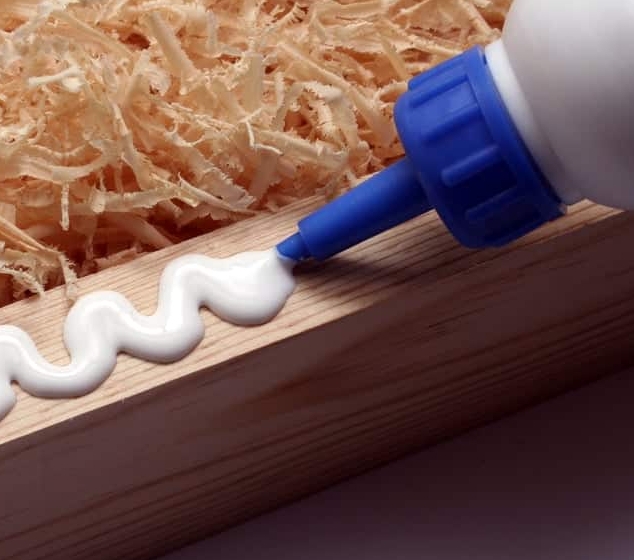
A Comprehensive Guide to the Best Grout Materials for Marble Joints
Marble, with its naturally elegant texture and unique veining, is a high-end choice for flooring, countertops, and wall cladding. However, joints between marble slabs are inevitable and require meticulous treatment. Selecting the appropriate grout material is not only crucial for maintaining the aesthetic integrity of marble but also for ensuring its long-term durability, resistance to moisture, stains, and mechanical damage. This article comprehensively analyzes the types, characteristics, applicable scenarios, and selection criteria of mainstream grout materials for marble joints, helping professionals and homeowners make informed decisions.
I. Main Types and Characteristics of Grout Materials for Marble Joints
The selection of grout materials for marble joints should be based on the inherent properties of marble (such as porosity and hardness), joint width, service environment (dry/wet, indoor/outdoor), and aesthetic requirements. Currently, the most widely used grout materials include cement-based grouts, epoxy-based grouts, silicone sealants, and polyurethane (PU) grouts, each with unique advantages and limitations.
1.1 Cement-based Grouts
Cement-based grouts are traditional and widely used grout materials, mainly composed of Portland cement, fine silica sand, and additives. They are divided into standard cement-based grouts and polymer-modified cement-based grouts.
Advantages: High cost-effectiveness and simple construction—only requiring on-site mixing with water for use; good compatibility with marble, suitable for joints with a width of 1–5 mm; compared with standard types, polymer-modified types have stronger adhesion and lower shrinkage rate.
Limitations: Standard cement-based grouts have poor water resistance and are prone to chalking, cracking, and discoloration after long-term use, especially in humid environments; their high porosity makes them susceptible to mold growth and stain penetration. Even modified products cannot match epoxy-based grouts in terms of stain resistance and durability, making them unsuitable for humid areas such as bathrooms and kitchens or outdoor environments exposed to harsh weather.
1.2 Epoxy-based Grouts
Epoxy-based grouts include epoxy grouts and epoxy resin mortars (such as epoxy colored sand), which are two-component systems composed of resin and curing agent. They are currently recognized as high-performance grout materials for marble joints.
Advantages: Excellent comprehensive performance, high structural strength, strong adhesion to marble, and almost non-porous, with outstanding waterproof, stain-resistant, and mold-resistant properties; excellent color stability and a wide range of color options, which can match different marble veining and decorative styles; epoxy colored sand is added with natural sand particles, presenting a matte texture that complements the natural veining of marble, suitable for joints with a width of 1 mm to 30 mm; it also has good chemical resistance, making it an ideal choice for areas prone to contact with acidic and alkaline substances, such as kitchen countertops.
Limitations: The main disadvantages are high cost and more complex construction requirements. The two components need to be mixed in precise proportions, and professional technology is required during construction to ensure uniform filling and a flat surface; excess material must be cleaned immediately after construction to avoid residue on the marble surface, which is difficult to remove after curing; volatile organic compounds (VOCs) are released during the curing process, so sufficient ventilation must be ensured during construction. However, low-VOC products are available on the market now.
1.3 Silicone Sealants
Silicone sealants are elastic grout materials, mainly used for sealing joints that require flexibility, such as the connections between marble and bathtubs, sinks, and window frames. They are divided into acid-curing and neutral-curing types.
Advantages: Excellent elasticity, which can adapt to the thermal expansion and contraction of marble and adjacent materials, preventing cracking caused by structural deformation; neutral-curing silicone sealants have good compatibility with marble (acid-curing types may corrode marble), with good water resistance and simple construction, and a variety of color options to match the appearance of marble.
Limitations: Low hardness; if anti-mold and UV-resistant formulas are not selected, they are prone to dirt accumulation and yellowing after long-term use; they are not suitable for filling large-area floor or wall tile joints, and are only limited to edge sealing and filling joints in areas that require flexibility.
1.4 Polyurethane (PU) Grouts
Polyurethane (PU) grouts are grout materials with elasticity and weather resistance, suitable for outdoor marble joints and wide joints (5–30 mm).
Advantages: Excellent weather resistance, UV resistance, and temperature resistance, and can maintain stable performance even in extreme hot and cold environments; high elasticity, which can adapt to large structural deformations, and good adhesion to marble and other building materials; it also has waterproof, oil-resistant, and chemical-resistant properties.
Limitations: Higher cost than cement-based grouts and limited color options; strict control of mixing proportions and curing conditions is required during construction, and it is not suitable for indoor areas that require surface smoothness and hardness.
II. Core Selection Criteria for the Best Grout Materials for Marble Joints
2.1 Service Environment
For indoor dry areas (such as living rooms and bedrooms) with narrow joints (1–3 mm), polymer-modified cement-based grouts can be selected for a good balance of cost-effectiveness; for humid areas (such as bathrooms and kitchens) or areas prone to stains (such as kitchen countertops), epoxy-based grouts are the first choice due to their excellent waterproof and stain-resistant properties; for outdoor marble decoration projects, polyurethane grouts or high-performance epoxy grouts with UV resistance should be selected to resist harsh weather.
2.2 Joint Width
Narrow joints (≤3 mm) are suitable for cement-based grouts or epoxy grouts; medium to wide joints (3–30 mm) require epoxy colored sand or polyurethane grouts, which have better volume stability and will not shrink or crack when filling wide joints.
2.3 Aesthetic Requirements
If matching the natural veining of marble is a priority, matte epoxy colored sand is an ideal choice; if a bright decorative effect is pursued, colorful high-gloss epoxy grouts can be selected; cement-based grouts have limited color options, mainly in gray and white series.
2.4 Durability and Maintenance Requirements
For high-traffic areas or places requiring long-term durability (such as commercial lobbies and hotel corridors), it is recommended to use epoxy-based grouts, whose service life can reach 8–15 years; for low-traffic areas or temporary decoration projects, standard cement-based grouts can basically meet the needs, but more frequent maintenance and replacement are required.
2.5 Compatibility with Marble
Acid-curing silicone sealants and low-quality cement-based grouts with high alkali content may corrode marble (especially soft marbles such as Carrara). When selecting products, be sure to choose those marked “suitable for marble” and conduct small-scale tests before large-area construction.
III. Key Points for Construction and Maintenance of Marble Joint Grout Materials
3.1 Pre-construction Preparation
Before filling, thoroughly clean the dust, debris, and oil stains in the joints with a vacuum cleaner or small brush to ensure the joints are dry (moisture content ≤5%) to avoid affecting the bonding effect; for wide joints, use backer rods to control the filling depth and avoid material waste.
3.2 Construction Precautions
Cement-based grouts should be mixed with water in the recommended proportion and constructed within 2 hours after mixing; epoxy-based grouts must strictly follow the mixing ratio of resin and curing agent, mix thoroughly, and control the construction temperature at 16–32℃; use a rubber trowel to press the grout material into the joints to ensure full filling without air bubbles; clean excess material immediately with a wet sponge before curing.
3.3 Post-construction Maintenance
After construction, avoid stepping on or touching the filled area before the grout material is completely cured (the curing time of cement-based grouts is 24–48 hours, and that of epoxy-based grouts is 24–72 hours); for daily maintenance, use neutral cleaners and soft cloths to avoid scratching the surface of the grout material; regularly check whether the grout material has cracks, discoloration, mold, and other problems, and repair or replace it in a timely manner if there are any abnormalities.
Conclusion
There is no “one-size-fits-all best” material for marble joint filling. The optimal choice needs to comprehensively consider the service environment, joint width, aesthetic requirements, and durability needs. Epoxy-based grouts perform outstandingly in most indoor marble application scenarios, making them a versatile and high-performance choice, especially suitable for humid or easily polluted areas; for outdoor or wide joint scenarios, polyurethane grouts are more appropriate; polymer-modified cement-based grouts provide a cost-effective solution for indoor dry areas. Regardless of the grout material selected, strictly following construction standards and conducting proper maintenance are the keys to ensuring the long-term beauty and durability of marble decoration projects.