
What glue do professionals use to repair marble

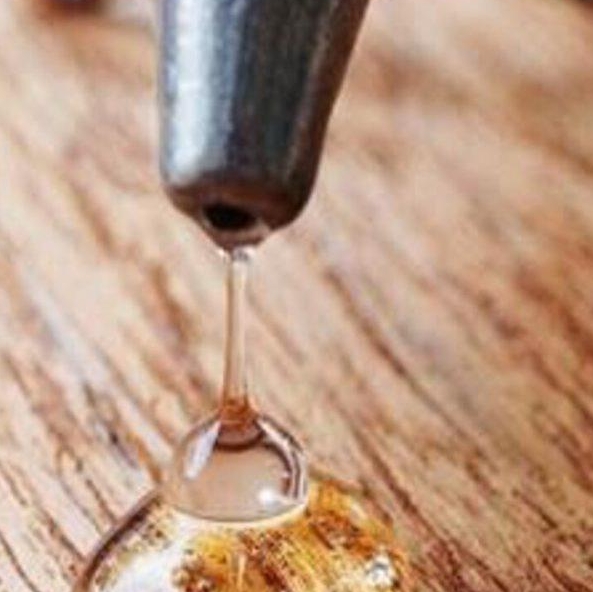
Marble Repair Adhesive: A Comprehensive Guide
Marble, with its natural elegant texture and unique veining, is a highly favored material in the fields of architecture and interior design. However, due to its inherent brittleness and susceptibility to external impact, scratching, or cracking, professional repair is often required to restore its aesthetic appeal and structural integrity. The key factor determining the success or failure of marble repair lies in selecting the appropriate adhesive. This article delves into the common types, characteristics, and application scenarios of adhesives used by professionals for marble repair, as well as the core considerations to ensure optimal results.
1. Main Types of Adhesives for Marble Repair
Adhesives used for professional marble repair must not only possess strong bonding strength but also be compatible with the porous structure and natural appearance of marble. The following are the most widely used and reliable types in the industry:
1.1 Epoxy Resin Adhesives
Epoxy resin adhesives, especially modified epoxy products, are the gold standard in professional marble repair. These two-component adhesives consist of resin and hardener, which need to be precisely mixed. After curing, they form a high-strength three-dimensional cross-linked structure. Their categories include epoxy dry-hanging adhesives for stone and epoxy repair pastes, both designed for specific repair needs.Core Characteristics: Extremely high bonding strength, with compressive and tensile strength exceeding that of marble itself; excellent weather resistance, aging resistance, and chemical corrosion resistance, maintaining stability in extreme temperature changes and humid environments; low curing shrinkage, ensuring that the repaired area does not sink after hardening, and can be colored to match the marble color, preserving its natural beauty; controllable curing time — usually 24 hours for initial curing and 4-10 days to reach full strength.Application Scenarios: Suitable for structural repairs such as large crack mending, broken marble splicing, and reinforcement of loose or hollow marble slabs (e.g., using epoxy rebar planting and anchoring method); also applicable to high-stress areas such as dry-hanging marble floors, walls, and decorative columns, as well as repair projects in humid environments like kitchens and bathrooms.
1.2 Marble Glue (Unsaturated Polyester Resin Adhesive)
Marble glue is mainly formulated with unsaturated polyester resin and hardener. It is a fast-curing adhesive widely used for temporary positioning and small-scale repairs. Its low cost and easy operation make it a staple material for initial bonding work on professional construction sites.Core Characteristics: Fast curing speed — achieving initial bonding in 3-10 minutes at room temperature, facilitating quick adjustments during construction; fine and smooth colloid, suitable for filling small gaps and repairing minor surface defects. However, it has obvious limitations: low toughness, poor long-term durability, easy hydrolysis in humid environments leading to a sharp decline in bonding strength; prone to brittleness under temperature fluctuations or vibration, not suitable for structural load-bearing parts; in addition, unrefined marble glue may seep oil into marble, causing unsightly stains.Application Scenarios: Temporary positioning during marble slab installation; small-scale repairs such as filling small gaps and crevices in non-load-bearing areas; and auxiliary bonding in conjunction with epoxy adhesives. Not recommended for outdoor or long-term structural repairs.
1.3 Polyurethane Adhesives
Polyurethane adhesives are flexible and highly wear-resistant adhesives suitable for marble repair in environments requiring shock absorption or adaptation to expansion and contraction deformation. After curing, they form an elastic bonding layer that can effectively absorb external forces and reduce the risk of re-cracking.Core Characteristics: Excellent flexibility and elasticity, suitable for areas prone to structural displacement or temperature expansion and contraction; good water resistance and UV resistance, performing well in outdoor or humid environments; shorter curing time than epoxy resin, suitable for projects with tight construction schedules. However, its bonding strength is slightly lower than that of epoxy resin, and the construction environment needs to be strictly controlled to ensure curing effect.Application Scenarios: Repair of outdoor marble decorations; bonding of large marble slabs requiring slight flexibility; and repair projects in areas with frequent temperature changes.
1.4 Silicone Adhesives
Although silicone adhesives are mainly used for sealing, some high-performance silicone adhesives can be used for non-structural marble repair due to their excellent weather resistance. Such adhesives are particularly useful in scenarios with high requirements for flexibility and long-term outdoor exposure.Core Characteristics: Outstanding weather resistance, able to withstand extreme temperatures, rain, and UV radiation without degradation; easy to construct and adjust, with good adhesion to marble and other building materials. However, its bonding strength is relatively low, only suitable for non-load-bearing decorative repairs.Application Scenarios: Sealing and slight bonding of outdoor marble joints; repair of non-load-bearing marble decorative components; and filling of small gaps on marble surfaces.
2. Comparative Analysis of Core Adhesive Types
To help professionals make informed choices, the following table compares the key properties of commonly used marble repair adhesives:
Adhesive TypeBonding StrengthCuring TimeWeather ResistanceFlexibilityApplicability for Structural RepairEpoxy ResinExtremely HighLong (24 hours for initial curing; 4-10 days for full curing)ExcellentGoodYesMarble GlueMediumShort (3-10 minutes for initial curing)PoorPoorNoPolyurethaneHighMediumGoodExcellentPartially applicable (non-heavy load)SiliconeLowMediumExcellentExcellentNo
3. Core Considerations for Selecting Marble Repair Adhesives
When professionally selecting marble repair adhesives, multiple factors need to be comprehensively considered to ensure the durability, safety, and aesthetics of the repair:
3.1 Repair Purpose and Structural Requirements
For structural repairs involving load-bearing or high-stress areas (such as marble floors and external wall dry-hanging), epoxy resin adhesives should be prioritized due to their superior strength and durability; for temporary positioning or small-scale non-structural repairs, the fast-curing characteristics of marble glue can be utilized; for repairs requiring flexibility (such as outdoor marble affected by temperature expansion and contraction), polyurethane adhesives are more suitable.
3.2 Environmental Conditions
For outdoor marble repair, adhesives with excellent weather resistance and UV resistance should be selected, such as epoxy resin or polyurethane adhesives; in humid environments like bathrooms and kitchens, marble glue that is prone to hydrolysis should be avoided, and epoxy resin or polyurethane adhesives with good water resistance should be chosen; in areas with large temperature fluctuations, flexible adhesives such as polyurethane or silicone should be preferred to adapt to thermal expansion and contraction.
3.3 Aesthetic Requirements
For high-end marble decorations, color-adjustable adhesives such as epoxy repair pastes should be selected to match the marble color; adhesives that may contaminate marble, such as unrefined marble glue with oil seepage problems, should be avoided; for transparent or light-colored marble, white or transparent adhesives should be used to prevent discoloration.
3.4 Construction Feasibility
The construction schedule needs to be considered: marble glue is suitable for projects requiring quick positioning, while epoxy resin requires sufficient curing time, so construction planning should be well done; in addition, it is necessary to ensure that the adhesive is compatible with the porosity of marble — epoxy resin with strong penetration is suitable for filling fine cracks.
4. Professional Construction Techniques for Marble Repair with Adhesives
Even if the appropriate adhesive is selected, correct construction technology is still the key to the success of marble repair:
Surface Preparation: Thoroughly clean the repair area to remove dust, dirt, oil, and moisture. For cracks or hollow areas, use compressed air to remove debris deep in the gaps. Ensure the surface is dry and flat to maximize the penetration and bonding effect of the adhesive.
Adhesive Mixing: For two-component adhesives (epoxy resin, polyurethane), they must be mixed in strict accordance with the manufacturer’s recommended mixing ratio. Improper ratio will reduce bonding strength or cause the colloid to become brittle. Mix evenly and use up within the pot life to avoid curing failure.
Adhesive Application and Curing: Apply the adhesive evenly on the bonding surface to ensure full coverage. For deep cracks, use a glue gun to inject the adhesive from bottom to top to avoid air bubbles. During curing, fix the repaired marble to prevent displacement. Avoid applying pressure to the repaired area or putting it into use before the adhesive is fully cured.
Post-Treatment: Before the adhesive cures, remove excess glue with a damp cloth. After curing, sand the repaired area with fine sandpaper, then polish it with a special marble polishing agent to restore the smoothness and gloss of the surface.
5. Conclusion
Professional marble repair relies on the rational selection and correct use of adhesives. Epoxy resin adhesives are the most comprehensive and reliable in structural repairs, with excellent strength, durability, and aesthetic adaptability; marble glue is suitable for temporary positioning and small-scale non-structural repairs; polyurethane and silicone adhesives have outstanding advantages in flexible repairs and outdoor applications. By comprehensively considering factors such as repair purpose, environmental conditions, aesthetic requirements, and construction feasibility, professionals can select the optimal adhesive to achieve long-lasting and high-quality marble repair. In addition, strictly abiding by the construction specifications from surface preparation to post-polishing is the key to ensuring repair success and preserving the natural beauty and structural integrity of marble.
分享