
strong glue for broken marble stone

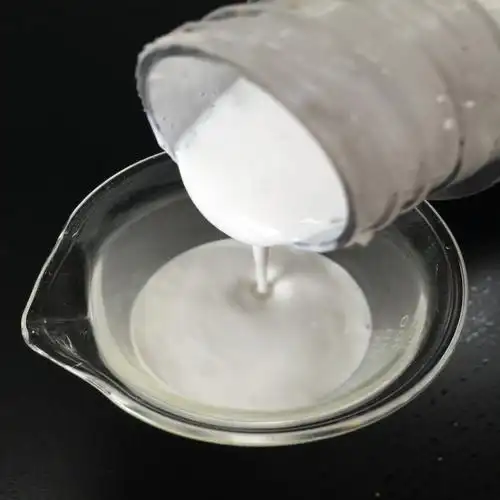
Strong Glue for Broken Marble Stone: A Comprehensive Guide to Selection and Application
Marble, a natural carbonate stone renowned for its exquisite veining, durability, and luxurious appearance, is widely used in architecture, interior decoration, sculpture, and high-end furniture. However, despite its inherent hardness (Mohs hardness 3-5), marble is brittle and prone to chipping, cracking, or complete breakage due to accidental impact, improper handling, thermal shock, or structural stress. When such damage occurs, replacing the entire marble piece is often costly and wasteful—using the right strong glue for broken marble stone becomes the most practical and cost-effective solution to restore its structural integrity and aesthetic appeal.
Not all adhesives are suitable for marble repair. Marble’s unique physical and chemical properties—low porosity, chemical sensitivity to acids, high density, and significant weight—demand a glue that can form a robust, durable bond while being compatible with the stone’s composition and appearance. This article provides a comprehensive overview of strong glues for broken marble, including their types, key characteristics, selection criteria, step-by-step application techniques, and maintenance tips, helping both DIY enthusiasts and professional restorers achieve optimal repair results.
1. Key Characteristics of High-Quality Strong Glue for Marble
To effectively repair broken marble, the selected glue must meet specific performance requirements tailored to the stone’s properties. The following are the non-negotiable characteristics of a reliable marble repair adhesive:
1.1 Exceptional Bond Strength
Marble is a dense, heavy material—each square meter of 1cm-thick marble weighs approximately 27kg. The glue must deliver high shear strength (preferably 15MPa or higher) to withstand the stone’s weight and resist external forces, ensuring the repaired piece remains intact even under regular use. For structural repairs (e.g., broken countertops or load-bearing marble slabs), shear strength of 20MPa or more is recommended.
1.2 Chemical Compatibility
Marble’s main component is calcium carbonate (CaCO₃), which is sensitive to acidic substances. The glue must be acid-free to avoid corroding the stone, which would weaken the bond and cause discoloration or deterioration over time. Additionally, the adhesive should not react with marble’s natural minerals or any existing sealants on the surface.
1.3 Low Shrinkage and Gap-Filling Capacity
Broken marble pieces often have irregular edges or small gaps. A high-quality glue should have low curing shrinkage (less than 1%) to prevent the formation of new cracks or gaps between the bonded surfaces. It should also be able to fill minor imperfections (up to 2mm) to ensure a seamless bond and smooth finish.
1.4 Durability and Resistance
The repaired marble may be exposed to various environmental factors, including moisture, temperature fluctuations, UV radiation, and daily wear. The glue must be waterproof, heat-resistant (operating range -50℃ to 120℃), UV-stable (to prevent yellowing or aging), and resistant to common household chemicals (e.g., detergents, oils). For outdoor marble repairs, excellent weather resistance is critical to withstand rain, sunlight, and temperature changes.
1.5 Aesthetic Compatibility
Marble’s beauty lies in its natural veining and color. The glue should dry clear or be paintable/stainable to match the marble’s hue and texture, minimizing the visibility of the repair joint. For high-end marble pieces (e.g., sculptures, decorative slabs), color-matching adhesives are essential to preserve the stone’s visual appeal.
2. Types of Strong Glue for Broken Marble Stone
Several types of adhesives are formulated specifically for marble repair, each with unique properties, advantages, and ideal applications. The most common and effective options are detailed below:
2.1 Two-Part Epoxy Resin Glue
Two-part epoxy resin glue—composed of an epoxy resin and a curing agent—is widely regarded as the best choice for most marble repair applications. It is the gold standard for strong, durable bonds and is suitable for both structural and aesthetic repairs.
Key Characteristics: Shear strength ranges from 20-30MPa, making it ideal for heavy-duty repairs; acid-free, non-corrosive to marble; low shrinkage (0.5-1%); can fill gaps up to 3mm; dries clear or can be tinted to match marble color; waterproof, heat-resistant, and UV-stable; compatible with marble and other materials (e.g., metal, concrete).
Advantages: Exceptional bond strength, versatility, and durability; suitable for all types of marble damage (cracks, chips, full breaks); provides a seamless finish when applied correctly; resistant to most environmental factors.
Disadvantages: Requires precise mixing of resin and curing agent (usually 1:1 or 2:1 ratio); longer curing time (4-24 hours for full curing); slightly higher cost compared to other adhesives; requires careful cleanup before curing.
Ideal Applications: Structural repairs (broken countertops, marble slabs, statues); seamless拼接 of marble tiles or slabs; filling large cracks or gaps; repairs requiring long-term durability (indoor and outdoor use).
2.2 Polyurethane Glue
Polyurethane glue (single-part or two-part) is another strong option for marble repair, particularly suited for outdoor applications or areas prone to vibration or thermal expansion.
Key Characteristics: Shear strength ranges from 15-25MPa; flexible bond that can absorb vibration and thermal stress; waterproof, weather-resistant, and UV-stable; cures even in moist environments; can fill small gaps (up to 1mm); may expand slightly during curing.
Advantages: Excellent weather resistance for outdoor use; flexible bond reduces the risk of re-cracking due to temperature changes; easy to apply (single-part formulations); compatible with porous and non-porous surfaces.
Disadvantages: Slight expansion during curing may cause uneven surfaces if not controlled; less gap-filling capacity than epoxy; may yellow over time in direct sunlight (some formulations are UV-stable); not ideal for high-precision aesthetic repairs due to expansion.
Ideal Applications: Outdoor marble repairs (e.g., garden statues, patio tiles); bonding marble to other materials (wood, metal); repairs in moist environments (e.g., bathroom walls, kitchen backsplashes).
2.3 Polyester Resin Glue (Marble Glue/Cloud Stone Glue)
Polyester resin glue, commonly known as “marble glue” or “cloud stone glue,” is a fast-curing adhesive formulated specifically for natural stone repairs. It is often used for quick, aesthetic repairs rather than structural ones.
Key Characteristics: Shear strength ranges from 10-15MPa; fast curing time (5-30 minutes for initial set, 2-4 hours for full cure); available in various colors to match marble; low viscosity for easy application; can be sanded and polished after curing.
Advantages: Fast curing saves time; easy to color-match; ideal for small repairs (chips, minor cracks); affordable; can be sanded and polished to blend with marble’s surface.
Disadvantages: Lower bond strength than epoxy or polyurethane; less durable for structural repairs; poor UV resistance (may yellow or crack in direct sunlight); not suitable for outdoor use or heavy-load applications; high shrinkage (1-2%) may cause gaps over time.
Ideal Applications: Small aesthetic repairs (chips, scratches, minor cracks); temporary bonding; indoor marble pieces (e.g., decorative objects, small tiles) that do not bear weight.
2.4 Cyanoacrylate Glue (Super Glue)
Cyanoacrylate glue, commonly called super glue, is a fast-acting adhesive that forms an instant bond. While it is strong, it is only suitable for specific, minor marble repairs.
Key Characteristics: Instant bonding (sets in seconds); shear strength up to 18MPa; clear drying; low viscosity; requires tight-fitting surfaces (no gap-filling capacity); not waterproof or UV-stable.
Advantages: Ultra-fast curing; easy to apply for small, precise repairs; clear finish; affordable.
Disadvantages: No gap-filling capacity (requires perfectly aligned surfaces); brittle bond (prone to re-cracking under stress); not waterproof or UV-stable (yellowing and bond failure over time); not suitable for structural repairs or outdoor use; may damage marble if not used carefully (acetone cleanup can etch some marbles).
Ideal Applications: Minor chip repairs (when the chip fits perfectly); bonding small marble fragments (e.g., decorative accents); temporary repairs until a more durable adhesive can be applied.
3. How to Select the Right Strong Glue for Broken Marble
Selecting the correct glue depends on several factors, including the type of damage, the location of the marble piece (indoor/outdoor), whether structural integrity is required, and aesthetic preferences. Follow this step-by-step guide to choose the best adhesive:
3.1 Assess the Damage Type and Severity
– Structural Damage (full breaks, large cracks, broken load-bearing pieces): Prioritize two-part epoxy resin glue for its exceptional strength and durability. For outdoor structural repairs, choose a UV-stable, weather-resistant epoxy or polyurethane glue.
– Aesthetic Damage (small chips, minor cracks, scratches): Use polyester resin glue (color-matched) for fast, seamless repairs. For high-precision aesthetic repairs (e.g., fine marble sculptures), use a clear, tintable epoxy resin.
– Small, Tight-Fitting Fragments: Cyanoacrylate glue can be used for instant bonding, but only as a temporary or supplementary solution—epoxy is still recommended for long-term durability.
3.2 Consider the Location (Indoor vs. Outdoor)
– Indoor: Two-part epoxy resin glue is suitable for most indoor applications (countertops, floors, decorative pieces). Polyester resin glue works for small indoor repairs. Avoid cyanoacrylate glue for areas exposed to moisture (e.g., bathrooms, kitchens).
– Outdoor: Choose polyurethane glue or UV-stable epoxy resin glue. These adhesives resist rain, sunlight, and temperature fluctuations, preventing yellowing and bond failure. Avoid polyester resin glue (poor UV resistance) and cyanoacrylate glue (not waterproof).
3.3 Evaluate Aesthetic Requirements
For visible repairs (e.g., front-facing marble slabs, sculptures), choose a glue that dries clear or can be tinted to match the marble’s color. Epoxy resin and polyester resin glues are available in color-matched formulations, while polyurethane glue may be harder to color-match. Cyanoacrylate glue dries clear but is not suitable for large visible repairs due to its brittle bond.
3.4 Check Compatibility with Existing Treatments
If the marble has been sealed or polished, ensure the glue is compatible with the sealant. Epoxy and polyurethane glues adhere well to sealed surfaces, while polyester resin glue may require light sanding to improve adhesion. Avoid using acidic adhesives, as they can damage polished or sealed marble surfaces.
4. Step-by-Step Guide to Applying Strong Glue for Broken Marble
Proper application is critical to achieving a strong, seamless bond. Regardless of the glue type, follow these general steps for optimal results. Note: Always refer to the manufacturer’s instructions for specific mixing ratios and curing times.
4.1 Prepare the Work Area and Tools
Gather the necessary tools: broken marble pieces, selected glue, mixing bowl and stirrer (for two-part adhesives), sandpaper (800-1200 grit), clean cloths, acetone or denatured alcohol (for cleaning), clamps or heavy weights (for securing pieces), and masking tape (to protect surrounding areas). Work in a well-ventilated area, wear gloves to protect your hands, and cover the work surface with a drop cloth to prevent glue spills.
4.2 Clean and Prepare the Marble Surfaces
Cleanliness is critical—any dust, dirt, grease, or old adhesive will weaken the bond. Use a soft cloth dipped in denatured alcohol or acetone to wipe the broken surfaces thoroughly, removing any contaminants or existing sealants. Rinse with clean water (if using denatured alcohol) and allow the surfaces to dry completely (overnight is recommended) to ensure no moisture remains, which can interfere with curing. For polished surfaces, lightly sand the broken edges with 800-grit sandpaper to create a rough texture, improving glue adhesion. Wipe away sanding dust with a clean, dry cloth.
4.3 Mix the Glue (for Two-Part Adhesives)
If using two-part epoxy or polyurethane glue, mix the resin and curing agent in the ratio specified by the manufacturer (usually 1:1 or 2:1). Stir thoroughly for 1-2 minutes to ensure uniform mixing—unmixed portions will not cure properly and will weaken the bond. Mix only the amount of glue you need, as two-part adhesives have a limited working time (5-30 minutes, depending on the product) before they start to harden.
4.4 Apply the Glue
Use a small brush, popsicle stick, or syringe to apply a thin, even layer of glue to one or both broken surfaces. Apply enough glue to cover the entire surface, but avoid over-applying—excess glue will ooze out and create a messy finish. For gaps, apply a slightly thicker layer to fill the space, but do not exceed the glue’s gap-filling capacity (usually 1-3mm). For polyester resin glue, add color tint (if needed) before application to match the marble’s color.
4.5 Bond and Secure the Pieces
Carefully align the broken marble pieces, ensuring they fit perfectly. Press the pieces together firmly to squeeze out excess glue—this ensures maximum contact between the surfaces and removes air bubbles, which can weaken the bond. Wipe away excess glue immediately with a clean cloth dampened with acetone (for epoxy) or water (for polyurethane) before it starts to cure—once cured, excess glue is difficult to remove without damaging the marble. Secure the pieces with clamps or heavy weights (e.g., bricks) to keep them in place during curing. For small pieces, masking tape can be used to hold them together. Ensure the clamps/weights apply even pressure—too much pressure can crack the marble, while too little pressure will result in a weak bond.
4.6 Allow for Full Curing
Let the glued marble cure for the time specified by the manufacturer. Do not move or disturb the pieces during curing. Most two-part epoxies require 4-24 hours for full curing, while polyurethane glue may take 24-48 hours. Polyester resin glue cures faster (2-4 hours), and cyanoacrylate glue sets in seconds but requires 24 hours for full strength. Cure time may vary based on temperature and humidity—warmer, drier conditions speed up curing, while cooler, more humid conditions slow it down.
4.7 Finish the Repair
Once the glue is fully cured, remove clamps, weights, or masking tape. If there is any remaining excess glue, sand it down with 800-1200 grit sandpaper, working in circular motions to create a smooth surface. For a seamless finish, polish the repaired area with marble polish or a buffing pad to match the surrounding surface’s shine. If the marble was sealed before repair, reapply a marble sealant to the entire surface (including the repair) to protect it from stains and moisture.
5. Common Mistakes to Avoid
– Using the Wrong Glue: Using general-purpose glue (e.g., wood glue, standard super glue) instead of marble-specific adhesive will result in a weak bond that fails over time and may damage the marble.