
Is epoxy or polyester better for marble

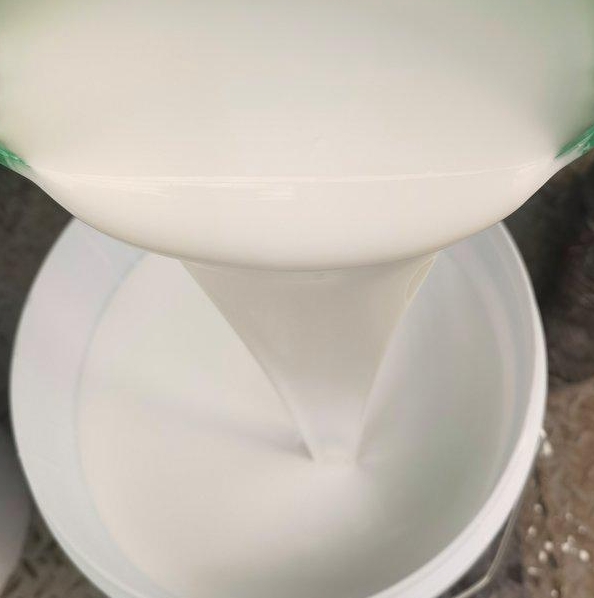
Epoxy vs. Polyester Resin: Which Is Better for Marble?
When repairing, bonding, or filling marble, choosing the right adhesive or resin is critical. The two most commonly used materials in the stone industry are epoxy resin and polyester resin. While both are widely available and effective in certain situations, they differ significantly in strength, durability, appearance, and long-term performance.
This article provides a professional comparison of epoxy and polyester for marble, helping you decide which material is best for your specific application.
Understanding Marble as a Material
Marble is a natural calcium carbonate stone with a crystalline structure. It is:
Porous to semi-porous
Sensitive to acids and heat
Brittle under impact or vibration
Valued for its polished, high-end appearance
Because of these properties, marble requires adhesives that offer strong bonding, low shrinkage, and good polishability without causing discoloration or stress.
What Is Epoxy Resin?
Epoxy is a two-component thermosetting resin consisting of a resin and a hardener. When mixed, it creates a chemical reaction that forms an extremely strong, stable bond.
Advantages of Epoxy for Marble
Exceptional bonding strength
Epoxy penetrates marble pores and creates a molecular-level bond, making it ideal for structural repairs.
Low shrinkage
Minimal shrinkage during curing prevents stress cracks and edge pull-back.
Excellent durability
Resistant to water, chemicals, and temperature changes.
Color stability
High-quality epoxies resist yellowing over time, especially indoors.
Polishable finish
Knife-grade and clear epoxies can be honed and polished to match marble surfaces.
Limitations of Epoxy
Longer curing time compared to polyester
Higher cost
Less forgiving mixing ratios
Harder to remove once cured
What Is Polyester Resin?
Polyester resin is a single-base resin activated with a catalyst (MEKP). It is commonly used in stone fabrication shops for cosmetic repairs.
Advantages of Polyester for Marble
Fast curing time
Sets quickly, allowing rapid repairs and production work.
Easy to tint
Accepts pigments well, making color matching faster for surface defects.
Lower cost
More economical for non-structural applications.
Easy sanding
Softer than epoxy, making it easier to shape and finish quickly.
Limitations of Polyester
Lower bond strength
Not suitable for structural or load-bearing marble repairs.
Higher shrinkage
Can pull away from edges or cracks over time.
Yellowing risk
Tends to discolor with UV exposure and aging.
Brittleness
More prone to cracking under stress or vibration.
Direct Comparison: Epoxy vs. Polyester for Marble
Feature Epoxy Resin Polyester Resin
Bond strength Very high Moderate
Shrinkage Very low Medium to high
Durability Excellent Fair
Polishability Excellent (knife-grade) Good
UV stability High (quality grades) Low
Curing speed Slow to medium Fast
Cost Higher Lower
Best use Structural & invisible repair Cosmetic filling
Which Is Better for Marble Repair?
Choose Epoxy If:
You are gluing broken marble pieces
Repairing cracks, chips, or structural damage
Working on countertops, stairs, or load-bearing surfaces
You want a long-lasting, professional result
The repair needs to be polished seamlessly
Choose Polyester If:
You are filling small surface holes or pinholes
Speed is more important than longevity
The repair is purely cosmetic
Cost control is a priority
The marble is not under stress or moisture exposure
Professional Recommendation
For most marble repairs—especially DIY repairs where failure is costly—epoxy is the superior choice. Its strength, stability, and polishability make it the industry standard for high-quality marble restoration.
Polyester resin still has a place in fabrication shops for fast, non-structural surface filling, but it should not be relied upon for long-term or structural marble repairs.
Final Verdict
Epoxy is better than polyester for marble in terms of strength, durability, and long-term performance.
Polyester is best reserved for quick, cosmetic fixes where speed and cost outweigh longevity.
If you are aiming for a repair that looks invisible, holds permanently, and maintains the value of marble, epoxy is the professional’s choice.