
Marble stone adhesive strong bond

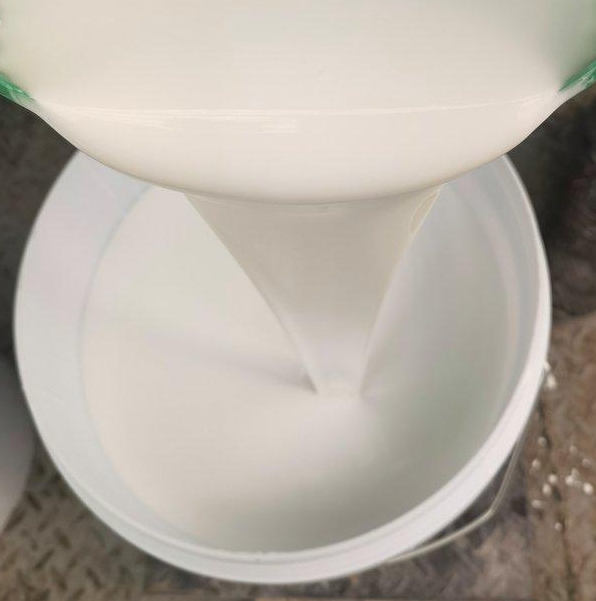
Marble adhesive makes marble repairs easier than ever.
Marble is a gorgeous material that is often used as a shower, floor, or countertop surface in homes because of its elegance and beauty. As beautiful as it is, marble can be very fragile, and if a heavy object was to fall on the marble, it could easily crack or break. Using a wrong epoxy adhesive to repair marble can be frustrating as well. This article contains information about the various types of epoxy that can be used to repair marble and will help you successfully use a professional quality epoxy adhesive to repair your marble.
The following are the tools that you will need to repair your marble:
o A marble adhesive (epoxy)
o A utility knife
o Cleaning supplies (such as dish soap, paper towels or rags, rubbing alcohol, hammer).
The steps to repairing marble:
1. Before repairing marble, ensure that all surfaces being repaired (countertops, sinks, tables) are cleaned thoroughly. This can be done with warm soapy water followed by clean rinse water. Do not use a glass cleaner or any abrasive products on your marble surfaces.
2. When applying the adhesive, be sure to wear rubber gloves to prevent skin irritation. If using a two-part adhesive, mix the two components together, following the directions from the manufacturer.Once the adhesive has been applied to the damaged marble, ensure that all pieces are held in position either with your hands or clamp the pieces in place until the adhesive cures. Use caution when holding the marble together as too aggressive an approach may cause further damage.
You’ll want to apply sufficient adhesive in order to fill the visible cracks both in the actual cracks, as well as surrounding the cracks. Be cautious to only apply enough adhesive so that it will not ooze out of the crack area.
After the adhesive has cured, remove clamps and clean up any excess amount left after gluing with either a damp sponge or a washcloth as by this time, the adhesive will not be able to form a bond with the marble and will have to be reglued.
Caution: This method of repair does not mean that your stones will be permanently bonded due to the use of this technique. It will just create a strong connection between both stones in order to give you protection against potential future damages to your stones.
Polyester Stone Adhesive is a wise choice when using a stone shop in providing some wonderful options for use within a stone shop. Some of these include:
1. Drying Period
2. Easy to Sand and Polish
Initial Mark-Up Use a Pencil to Make Initial Marking
Using a pencil to draw a guideline where the marble tile will be placed or the countertop will be installed will help ensure accuracy in your final placement of the tiles.or whatever you call it. For instance, if you will be putting a marble piece on top of another piece of marble.
Use Both Methods to Outline Your Next Area
If you want to place a marble piece on another marble piece, mark it with both a pencil and tape.
Mark Area to Add Tiles
Now that you have outlined your two pieces, use a tape measure and measure out an area for the installation of your marble piece (though measuring out an area can be accomplished in many different ways on the same piece). This area will serve as your reference point for any future layouts.
Choose the Right Adhesive
When you are going to use an adhesive, make sure that it is the right adhesive for your project. Additionally, the adhesive should have all of the characteristics necessary to create a strong bond.
How to Choose the Best Adhesive for Your Marble Project
There are many types of adhesives, and some are more suitable for marble projects than others. Remember that the more resistant the adhesive has to other properties, the better it will make the bond between surfaces.
1. High tensile strength
2. Low shrinkage during clearance
3. No staining at clearance
4. UV resistant
5. Water resistant
6. Polishable
Knife Grade Epoxy: Best for Countertop Applications
The best adhesive for counter tops is knife grade epoxy, as it does not sag and holds its attachment to the counter top indefinitely.How To Ensure Maximum Bonding Strength
In order to achieve the maximum bonding strength when using adhesives, the following steps should be followed by specialists:
1. Prepping the surfaces.
A. Using either a chemical like acetone, or stone-specific cleaner, before applying any adhesive will clean marble floors or walls. You should also ensure that both surfaces are free from oils, dirt, and debris before applying any adhesive.
B. Before applying adhesive to both surfaces, they must be completely dry.
2. Test Fit Both Surfaces Before Applying Adhesive
Test fit both of your marble pieces before applying adhesive so you know if they will work together. If you do not test fit prior to applying the adhesive, you will not have proper bonding.
3. Mix Properly
When you mix two-part epoxy together, it is very important for you to follow the manufacturer’s directions because if you do not mix them according to their directions, you will not have adequate bonding with your adhesives.
4. Application Consistency
Consistent application of block adhesive to both substrates. Make sure that air pockets have not been created from either application.
5. Clamping
Clamping is required for marble while the epoxy dries.
6. Allow Long Enough Time To Cure
No sanding/ polishing of the adhesive substrate should be done until the adhesive has been allowed enough time to cure completely. Some of the strongest bonds will take up to 24 hours to cure completely.
Inside and Outside
Most high-quality epoxies and polys can be used on repairs inside; however, if using on the exterior, ensure that you use an epoxy with a good UV resistance and waterproof rating; are capable of withstanding extreme temperatures.
The standards for exterior adhesives will be much greater than corresponding interior adhesives.
Common Mistakes That Are Made:
– You should NEVER use a general-purpose glue to attach two pieces of marble together.
– You should NEVER skip the cleaning step prior to using any adhesive.
– You should NEVER use too little adhesive to attach two surfaces together.
– You should NEVER disturb the bonding joint until it has completely cured.
– You should NEVER disregard the colour of any adhesive before using it on a visible surface.
– You should NEVER forget to prepare the surface to allow your adhesive to have a target site.
Conclusion
By using an adhesive that produces a high bond strength, you can complete quality repairs/installation to marble. To achieve a long-term, structural repair, use a two-part epoxy; however, to achieve a short-term, cosmetic repair, use a polyester glue; and for vertical marble applications, use a construction adhesive.
By using appropriate glue, appropriately preparing the substrate surface, and allowing adequate time before disturbing the repair, will ensure that your finished product will be adequately secured and durable as well as visible regarding the quality of marble.