
Granite adhesive for countertop seams

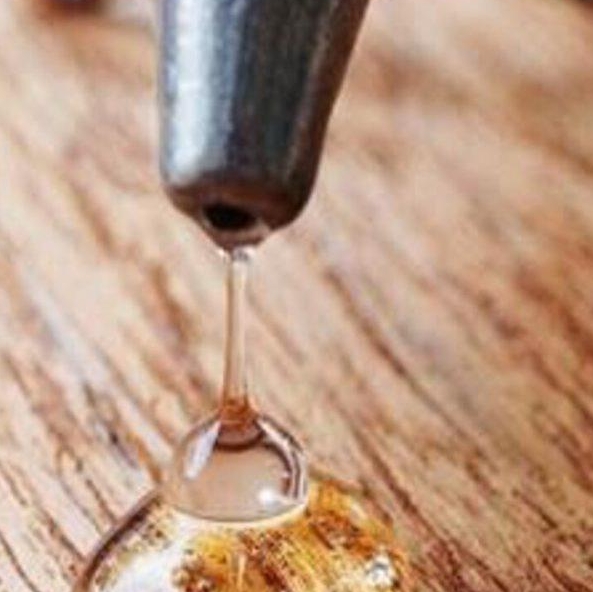
Guidance on Selecting and Applying Granite Adhesive for Seams in Countertops—Granite seaming adhesive is a special type of stone adhesive used for creating joints between two or more separate pieces of granite, filling up micro gaps between granite seams, and creating one solid and durable granite slab. Unlike typical construction adhesives, granite adhesive is formulated to imitate the physical properties of granite, which are high-density and porous surfaces that experience daily wear and tear (moisture, heat, pressure, etc.). Therefore, granite adhesives provide the strength, durability, and stain resistance necessary to create seamless, strong joints that meet the demands of commercial kitchen, bathroom, or other types of installations of stone countertops.
Core Types of Adhesives & Examples of Applications—In the industry, there are three types of adhesives that dominate the professional market for wrapping or joining two pieces of granite. They include:
– Two-part epoxy adhesive, which is the industry-standard type of adhesive for creating structural granite seams. This type of adhesive provides exceptional bonding strength, extremely low levels of shrinkage after curing, and good flexibility to withstand vibration and load pressure from heavy objects over time, and are able to withstand the thermal changes associated with granite without becoming brittle or cracking. Further, the two-part epoxy adhesive can be customized to meet the colors of different granites so as to create joints that are practically seamless.
– Polyester stone adhesive offers an inexpensive alternative to two-part epoxy adhesives with excellent curing rate and color matching for light-colored granite. However, it does have significant design limitations in terms of long-term durability and does not perform well under humidity conditions or when the temperature fluctuates. It is best used for temporary repairs, minor gaps, and low-load indoor applications.The acrylic adhesive has excellent properties relating to moisture and chemical resistance, making it suitable for kitchen use where there is a lot of cleaning and use of detergents. It also provides a stable bond when used for finishing seam joints, and it is used extensively for secondary sealants and anti-seepage treatments on granite countertop seams. 2. Key Performance Criteria for a Quality Granite Seam Adhesive A granite seam adhesive must have the following key performance characteristics in order to minimize common problems (yellowing, staining, joint cracking, and water under the joint) associated with granite countertop seams: First, adhesion to granite: the adhesive must not discolour or stain the granite due to chemical reactions that cause localised fading or dark markings on the porous surface. Second, adaptability to environmental conditions: the adhesive must be adaptable to heat, water and age to resist daily high-temperature cooking, daily water splashes and long-term exposure to indoor lights. Third, adaptability to construction: the low-viscosity formulation will allow complete penetration of joint microseams without sagging or overflowing, while moderate curing time will allow for precise adjustments on-site. Fourth, stability: low post-cure shrinkage will prevent hollowing or cracking in joint seams and will ensure a seamless and flat joint surface. 3. Standard Construction Procedure for Bonding Granite Seams to an Adhesive To achieve high bonding performance of granite seams to adhesives, a standard construction process of core process specifications must be followed: Surface pre-treatment. Polish both edge surfaces of the joint to a uniform finish, making cuts as straight as possible with minimal tolerance. After removing dust, oil and residual moisture from joint gaps and adjacent surfaces with acetone, do not use water-based cleaners to prevent residual water from affecting the adhesive bond strength. Pre-construction testing. Test adhesive colour on inconspicuous areas first to ensure that the cured colour of the adhesive will be naturally blended with the colour of the granite slab, to avoid chromatic differences in the joints. Mixing/application. Mix both components of the adhesive (two-part adhesives: epoxy, polyester) in the precise ratio, ensuring that there is an even stir throughout both components of the adhesive. Apply the adhesive evenly along all joints to ensure complete filling of the gaps and that there is no excess accumulation of the adhesive on the surfaces of the granite stones. Curing/post-treatment. Before curing is complete, place the joined slabs in position to avoid displacing them. After curing is complete, grind the joint surface level with the countertop surface and proceed with maintaining the stone surface for both texture and wear resistance. 4. Common Application Cautions. Do not use universal glue, masonry mortar or ordinary glass adhesive to bond granite seams; these adhesives do not bond to the stone and are structurally weak, and will fail in the joint and damage the stone. Strictly control the construction environment (high humidity and low temperature will significantly slow the cure time and reduce bond stability). Clean any overrun adhesive from the stone surfaces prior to the adhesive curing time commencing to avoid surface soil build-up or difficulty in polishing the surface after curing. For countertops that are used on a long-term basis, periodic inspection of seam tightness and maintenance of secondary seals will ensure the longevity of the stone joints.