
Can you glue marble back together

The ability to Rejoin Marble to Enable Professional Repair On the natural stone known as marble, this quality has enabled extended use in architectural decoration, home improvements, sculptures as well as furniture. Because of the beautiful and high-quality finish when manufactured, this stone is also very fragile and can therefore break at any time due to being moved, installed improperly, as well as due to age, weight imbalance, or misalignment of structure and all these contribute to the formation of cracks throughout this type of stone.
Many people are concerned with whether marble can be repaired once it has been broken. Does it become solidly bonded again after repairing? Is this process going to change its appearance or affect how long it lasts? To allow for all of those questions, this information will analyse marble in relation to the structure of this stone, principles to how to fix broken marbles, which process to use in repairing marbles, and what repair methods are applicable to marble repair.
1. The Material and Science of Marble and Why it Cracks
Marble is made mostly of calcium carbonate. It contains both a natural structure of crystals as well as small (micro) cracks. The combination of these two structures creates an ease of working with marble as well as its spectacular aesthetic value, but also creates the problem of being extremely weak in terms of resistance to impact. When an outside force exceeds the maximum safe load of marble, the marble begins to crack. As the crack expands, it will often expand in unusual forms, causing further failure to the fragment of marble being repaired and also comprising an additional challenge to the repair methods used with the repaired piece. This condition represents a significant opportunity for repair. 2. Technical Reasoning for Re-Bonding of Marble:
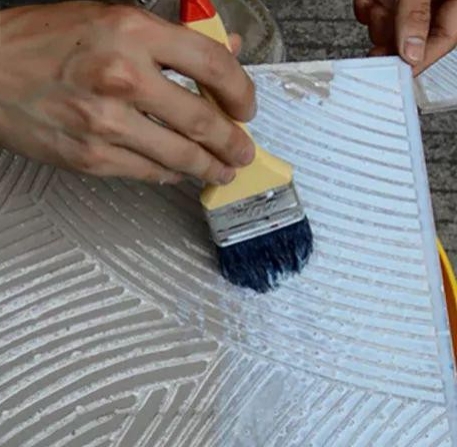
Technically speaking, marble can be re-bonded, and a considerable wealth of information exists within the commercial and cultural communities related to such work and the successes that have been achieved using this aspect of technology. Bonds are not created equally; rather than just how well they bond together, it is also necessary to know *to what extent* they will do so. A trained professional who specializes in stone repairs will normally utilise high strength adhesives made specifically for stone rather than using typical glues available in most households. Utilised to repair stones are epoxies (high strength, slow age; easy to use), and structural stone adhesives (more shear and tensile strength are desired with these). Utilizing either colour paste or colour matching stone powder filled adhesive allows for repairing cracks and matching colour and texture of the repaired areas. 3. The typical process for binding and repairing marble uses the following procedures: Cleaning and Drying of the Fracture Areas: Remove dust and oils and loose particles from fracture surfaces, and clean if needed with acetone (or alcohol), allowing time to dry fully. Trial Assembly and Placement of Fractured Areas: In order to ascertain the proper fit at the appropriate angle with no defects or offset marks, it is essential that the pieces of marble being repaired are trial-assembled before they are glued together. Application of the Adhesive: The adhesive should be blended according to the recipe and evenly distributed to the fractured area, being careful to avoid bubbles or voids. Applying Pressure and Securing: With the use of clamps, weights, or specially designed supports, apply pressure to the stone during the curing process to maintain the stability of the marble. Curing Process and Post Cure Processing Procedures: Polish and buff the repaired area once the stone has cured, and colour compensation if necessary will help with the finished product. 4. Strength of the Repaired Marble Versus Limitations on Use: It is important to recognise that while bonding does give marble a second chance to be re-used as a decorative item, the strength of the repaired, bonded marble does not return to that of an original solid piece. It is entirely reasonable to use a fully repaired item of decorative, or non-structural nature (i.e., counters, wall panels, sculptures, etc.); however, for structural items or those requiring frequent movement, careful evaluation will need to be done to determine if further reinforcement (metal reinforcement) will be necessary. 5. What Conditions Are Suitable or Unsuitable For Repair of Marble: When the fracture surface shows a complete edge-to-edge fracture with very little loss of material; when the item is being used for decorative or non-structural purposes; when the stone is of high artistic or emotional value, the conditions may be favourable for the repair of the stone. Conditions Not Suitable for Repair of Marble: When marble has sustained severe grinding (to power) or sustained numerous fractures; when marble has long term exposure to extreme humidity, high heat or constant vibration; when the item has extreme safety requirement for load; additionally, the structural safety of the item will need to be evaluated very carefully, and to achieve full load-bearing capability, metal reinforcement (or complete replacement) may be required. 6. Summary: In conclusion, with proper professional repairs, re-bonding is possible with good aesthetic and practical results. Determining whether the repair is worth repairing, and the ultimate state of the item after repairs have been completed, must be determined by considering the intent of the item and the extent of the fracture, along with the safety requirements for each piece. It is highly recommended that all high value or important projects be completed by a trained stone repair personnel, in order to ensure maximum structural integrity and long-term structural stability.