
Export quality stone adhesive

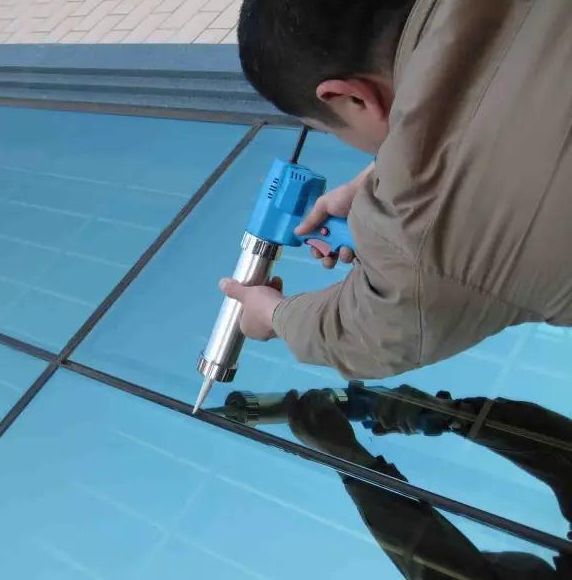
I. Core Technical Characteristics and Performance Requirements of Export-Grade Stone Adhesives
As high-end building auxiliary materials, the quality of export-grade stone adhesives directly determines the durability and safety of projects, and they must meet multi-dimensional technical indicators:
1. Core Mechanical Performance Indicators
- Bond Strength: Tensile shear strength ≥10MPa (steel-steel substrate); tile-concrete bond strength ≥1.5MPa (C2 grade standard); for large-format stone paving, it needs to reach above 2.0MPa (e.g., LATICRETE®340 meets ANSI A118.4 ET standard).
- Shrinkage Resistance: Curing shrinkage rate ≤0.5% to avoid gaps and hollowing after stone paving and ensure long-term stability.
- Weather Resistance: Can withstand a temperature range of -40℃~80℃, pass 25 freeze-thaw cycles (-15℃ freezing / 20℃ thawing) and 2000-hour xenon lamp aging test, with strength retention rate ≥90%.
- Construction Compatibility: Medium bed type products allow 15mm thickness construction (e.g., LATICRETE®340); high thixotropy formula ensures no sagging in vertical surface construction, with open time up to 50 minutes (LATICRETE C2TES1 grade products).
2. Environmental and Safety Standards
- Low VOC Emission: VOC content ≤3g/L, complying with EU EC 1272/2008 and US EPA standards; some high-end products pass French A+ and German TÜV certifications.
- Restriction of Hazardous Substances: Free of asbestos, formaldehyde and other carcinogenic components; must pass Australian NATA asbestos-free certification and China Ten-Ring Certification, with heavy metal content meeting REACH regulation limits.
- Ecological Certification: Green certifications such as EU Ecolabel (Flower) and Nordic Swan Ecolabel have become market competitiveness boosters, especially in EU and Australian markets.
II. Global Mainstream Certification Systems and Standard Compliance Key Points
Export-grade stone adhesives must pass mandatory certifications of target markets, with core standard systems as follows:
| Region | Core Standards | Key Certification Requirements | Applicable Product Types |
|---|---|---|---|
| North America | ANSI A118.4/ASTM C1184 | Bond strength, water resistance, VOC testing | Indoor and outdoor universal adhesives |
| Europe | EN 12004/ISO 13007 | C2TE S1 grade (flexibility, anti-slip) | Large-format stone and outdoor adhesives |
| Australia | AS 4992/NATA Certification | Asbestos-free testing, weather resistance testing | Building exterior walls and bathroom scenarios |
| China | GB 24264-2009 | Formaldehyde emission ≤0.01mg/m³ | Products exported to domestic market |
Key Points of Certification Practice
- Dual Standard Compatibility: Products meeting both EN 12004 C2TE S1 and ANSI A118.4 can cover mainstream European and American markets.
- Special Test Enhancement: Adhesives for humid environments need additional 72-hour water immersion test (strength retention rate ≥90%); pool-specific adhesives must comply with IPX8 waterproof rating standard.
- Document Completeness: TDS (Technical Data Sheet), MSDS (Material Safety Data Sheet) and third-party test reports must be provided to ensure smooth customs clearance.
III. Export Process Optimization and Risk Prevention Strategies
1. Product Customization and Adaptation
- Regional Formula Adjustment: Optimize anti-mold formula (mold resistance grade 0) for hot and humid climate in Southeast Asia; enhance freeze resistance (-35℃ without cracking) for Nordic market.
- Packaging and Specifications: Mainstream export packaging is 20kg/25kg/30kg sealed barrels, which must be marked with UN number (if dangerous goods), English instruction manual and origin label.
- Quick-Response Supply Chain: Inventory preparation cycle controlled within 15-25 days, supporting small-batch customization (minimum order quantity 1000kg) to meet cross-border e-commerce demand.
2. Compliance Risk Prevention
- Document Standardization: Core documents include commercial invoice, packing list, MSDS, certificate of origin and third-party test reports (e.g., SGS certification) to ensure consistent document information.
- Dangerous Goods Classification: Epoxy two-component adhesives must be classified as UN3264, adopt dangerous goods marine packaging, and apply for dangerous goods packaging certificate in advance.
- Market Access Research: EU products must comply with REACH regulation SVHC (Substances of Very High Concern) list; US products need EPA VOC registration; Australian products require prior NATA qualification filing.
3. Typical Application Scenarios and Product Selection
- Large Public Construction Projects: Select epoxy high-strength products (e.g., LATAPOXY®310) with bond strength ≥12MPa, suitable for paving of 1600×3200mm extra-large sintered stone slabs.
- Bathroom/Pool Engineering: Prioritize C2W grade water-resistant adhesives that pass long-term water immersion test and emit no formaldehyde (e.g., SKSHU series).
- Old Building Renovation Projects: Recommend one-component quick-drying products with surface drying time ≤4 hours, improving construction efficiency by 30% and controlling hollowing rate below 0.5%.
IV. Industry Development Trends and Technological Innovation Directions
- Green Upgrade: Bio-based resins replace traditional petrochemical raw materials, reducing VOC emissions to below 0.5g/L, aligning with global carbon neutrality goals.
- Function Integration: Integrate multiple properties such as waterproofing, anti-mold and stain resistance; e.g., Oriental Yuhong C2TES Pro series realizes integrated waterproofing and bonding, reducing leakage rate by 93%.
- Intelligent Detection: Introduce blockchain technology for product traceability, and monitor temperature and humidity during transportation via IoT sensors to ensure product performance stability.