
Marble countertop seam repair glue

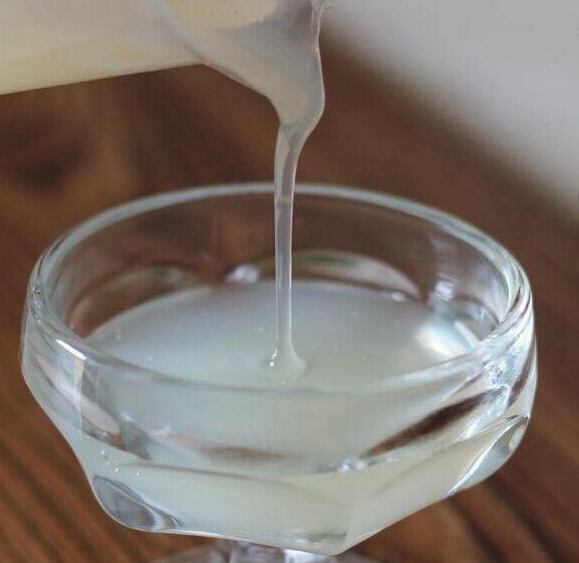
Marble Countertop Seam Repair Adhesive: A Professional Guide to Seamless Repair
Marble countertop seam repair requires the use of special-purpose repair adhesives to ensure the durability, aesthetics, and long-term performance of the repaired area. This guide covers the optimal adhesive types, core selection criteria, step-by-step construction processes, common pitfalls, and maintenance techniques suitable for professionals and advanced DIY enthusiasts.
Core Adhesive Types for Marble Seam Repair
Adhesive Type Core Characteristics Optimal Application Scenarios Advantages Disadvantages
Low-Viscosity Epoxy (Seam-Specific Type) Low flowability, 15–20 minutes of working time, minimal yellowing, sandable/polishable after curing Horizontal countertop seams (seam width ≤ 1/16 inch) Excellent seam invisibility, high strength, paintable Long curing time, requires clamping fixtures for fixation
Polyester Resin (Marble Glue) Fast curing (5–10 minutes), high viscosity, easy to tint Repair of small cracks and chips, rapid emergency repairs Convenient construction, suitable for on-site partial repairs Poor flexibility, faster yellowing than epoxy resin
Silane-Modified Polyether Adhesive Excellent flexibility, waterproof, non-staining to stone Outdoor/kitchen countertop seams (areas with temperature fluctuations) Accommodates seam displacement, no stone contamination Low hardness, not suitable for high-stress areas
Cyanoacrylate Glue Instant bonding, weak gap-filling capacity Repair of hairline micro-cracks, emergency rush repairs Fast curing, no clamping fixtures required Brittle texture, not suitable for large gaps or displacement-prone areas
Professional Adhesive Selection Recommendations
Preferred Option: Low-viscosity, non-yellowing epoxy resin with extended working time (e.g., Tenax T Epoxy Resin, Mapei Kerapoxy Design Epoxy Grout). This type of adhesive can penetrate narrow seams, achieves a hardness close to that of marble after curing, and meets the anti-yellowing requirements for light-colored stone.
Alternative Options: Polyester resin is suitable for small-area rapid repairs; silane-modified polyether adhesive is ideal for flexible seams in frequently displaced areas.
Core Selection Criteria
Viscosity Index: Select low-viscosity products with a viscosity range of 500–1500 centipoise to ensure penetration into 1/16-inch narrow seams; avoid formulations with excessively low viscosity to prevent adhesive sagging on the surface.
Cured Hardness: Shore D hardness ≥ 80, matching the rigidity of marble, with no soft areas during sanding and polishing.
Color Stability: For light-colored marbles (e.g., Carrara White, Statuario White), select UV-resistant, non-yellowing formulations.
Chemical Resistance: Resistant to common kitchen chemicals (acids, cleaning agents) and water erosion, with ISEGA certification for food-contact areas.
Flexibility: For rigid seams, choose products with a modulus ≥ 1000 MPa; for displacement-prone areas, select low-modulus products with a modulus of 200–500 MPa.
Step-by-Step Seam Repair Construction Process
1. Pre-Construction Preparation (A Critical Step Determining Repair Success)
Cleaning Treatment: Remove grease, dust, and old adhesive residues from seams using 100% acetone; avoid water-based cleaners (marble is porous).
Trial Assembly & Leveling: Ensure the stone slab joint gap is ≤ 1/16 inch, level the countertop with shims, and mark clamping fixture positions (18–24 inches apart).
Masking Protection: Apply masking tape 1/8 inch away from the seam edges to prevent adhesive from contaminating the stone surface; remove the masking tape immediately after the adhesive cures.
2. Adhesive Mixing & Tinting
Epoxy Resin: Mix resin and hardener at a ratio of 2:1 (refer to product label for exact ratios); add universal color paste (e.g., Tenax Color Paste) to match the texture and color of the marble.
Polyester Resin: Add 2%–3% hardener, stir thoroughly—working time is 5–10 minutes; test color matching on stone scraps before tinting the formal batch.
3. Adhesive Application & Clamping Fixture Fixation
Apply a continuous bead of adhesive evenly along both sides of the seam; stir the adhesive gently to avoid air bubble formation.
Gradually apply a clamping force of 10–15 psi to ensure uniform adhesive distribution while preventing excessive adhesive extrusion.
Scrape off excess adhesive with a plastic scraper; wipe residual adhesive with an acetone-soaked cloth before the adhesive cures.
4. Curing Treatment & Polishing Finishing
Curing Time: Epoxy resin requires 2–4 hours for initial curing and 24 hours for full curing; sanding can only be performed after complete curing.
Sanding & Polishing: Start sanding with 400-grit wet sandpaper, gradually upgrading to 1500-grit; finally, polish with marble polish to achieve a seamless finish.
Common Pitfalls to Avoid
Inadequate Surface Preparation: Residual grease and dust will cause bonding failure—ensure thorough cleaning and drying with acetone.
Over-Clamping: Excessive pressure will squeeze out adhesive, leading to insufficient adhesive filling in seams; use gentle, uniform clamping force.
Neglecting Color Stability: Cheap epoxy resin tends to yellow light-colored marble—opt for UV-resistant formulations.
Insufficient Curing Time: Sanding before full curing will result in soft areas; epoxy resin must be fully cured for 24 hours.
Using Cyanoacrylate Glue for Large Seams: This adhesive forms a brittle bond layer that easily fails under stress—it is only suitable for hairline micro-crack repairs.
Post-Repair Maintenance & Preventive Measures
Seam Sealing: After repair completion, apply a penetrating sealer (e.g., Miracle Sealants 511 Impregnator Sealer) to prevent seam staining.
Avoid Thermal Shock: Place heat-insulating pads under hot pots—sudden temperature changes reduce seam stability.
Regular Inspection: Check seams quarterly for cracks and debonding; reapply sealer annually.
Quick Construction Steps Reference
Acetone cleaning of seams → Trial assembly & leveling → Fixture fixation
↓
Epoxy resin mixing (2:1 ratio) & tinting → Adhesive application along seam sides
↓
Gradual clamping → Acetone removal of excess adhesive
↓
24-hour curing → Gradual sanding (400-grit → 1500-grit) → Polishing
↓
Application of penetrating sealer for long-term protection
English-Chinese Bilingual Glossary of Core Terms
English Term Chinese Translation
Low-Viscosity Epoxy 低粘度环氧树脂
Polyester Resin 聚酯树脂
MS Polymer Adhesive 硅烷改性聚醚胶粘剂
Cyanoacrylate Glue 氰基丙烯酸酯胶水
Shore D Hardness 肖氏 D 硬度
UV-Resistant 抗紫外线
ISEGA-Certified ISEGA 认证
Penetrating Sealer 渗透型密封剂
This guide provides technical support for the flawless repair of marble countertop seams. Strict adherence to the standards outlined in this guide will achieve repair results characterized by invisible seams, stable structure, and long-lasting aesthetics.