
Marble crack repair epoxy waterproof

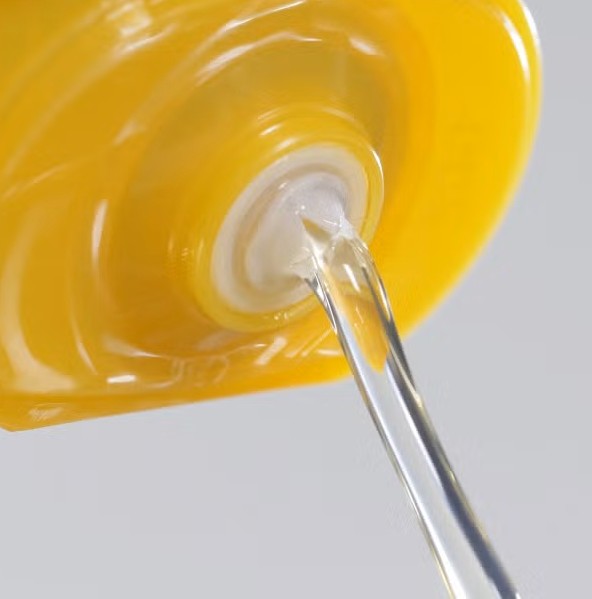
Marble Crack Repair with Waterproof Epoxy: A Comprehensive Professional Guide
Marble, revered for its natural elegance and timeless appeal, is widely utilized in architectural decoration, high-end furniture, and artistic installations. However, due to its inherent brittle nature, marble is prone to cracks and fractures under external forces, temperature fluctuations, or structural settlement. These defects not only compromise the aesthetic integrity of the marble but also create pathways for water penetration, leading to further deterioration such as discoloration, efflorescence, and even structural damage. Waterproof epoxy resin has emerged as the preferred material for marble crack repair, offering exceptional bonding strength, superior water resistance, and compatibility with marble’s physical properties. This article provides a systematic overview of the technical essentials, material selection criteria, construction procedures, and quality control measures for marble crack repair using waterproof epoxy.
1. Core Advantages of Waterproof Epoxy in Marble Crack Repair
Waterproof epoxy resin, particularly two-component formulations, possesses unique characteristics that make it ideal for marble repair applications. Unlike conventional adhesives such as marble glue, waterproof epoxy offers a combination of structural reinforcement and long-term water barrier performance, addressing both functional and aesthetic requirements.
1.1 Exceptional Bonding Strength
Waterproof epoxy forms a strong chemical bond with marble surfaces, achieving a bonding strength 1.5-2 times that of the marble itself. Its shear strength typically exceeds 15MPa, and tensile strength is above 2MPa, ensuring the repaired marble can withstand normal operational loads and minor impact forces. This structural reinforcement prevents further crack propagation and restores the marble’s load-bearing capacity.
1.2 Superior Waterproof and Seepage Resistance
The cured epoxy forms a dense, impermeable film that effectively blocks water, moisture, and corrosive substances from penetrating the crack. High-performance waterproof epoxies, such as the RachTR MLE 35, feature a bleeding-free formula that eliminates the risk of crack darkening caused by water absorption. When combined with appropriate surface sealants, they provide long-term protection against water-induced damage in both indoor and outdoor environments.
1.3 Excellent Aesthetic Compatibility
Transparent or tintable waterproof epoxy can be precisely color-matched to the marble’s natural hue using mineral pigments. By adopting the “three-primary color reduction method” and testing on marble scraps, the repaired area can blend seamlessly with the surrounding surface, achieving an almost invisible repair effect. This is particularly critical for high-end decorative marble such as Carrara white marble.
1.4 Good Weather Resistance and Durability
UV-stabilized waterproof epoxies resist yellowing and degradation under prolonged sunlight exposure, making them suitable for outdoor marble installations. They can withstand temperature fluctuations from -30℃ to 60℃ and maintain stable performance in humid or corrosive environments. With proper maintenance, the repair lifespan can exceed 20 years.
2. Selection Criteria for Waterproof Epoxy in Marble Repair
The success of marble crack repair largely depends on selecting the right waterproof epoxy. Key considerations include crack characteristics, usage environment, and performance requirements. The following are the core selection criteria:
2.1 Match Epoxy Viscosity to Crack Width
Low-viscosity (≤500 mPa·s) waterproof epoxy is recommended for microcracks (width < 0.5mm). Its high permeability allows it to penetrate deeply into the crack and fill even tiny voids. Examples include RachTR RLE 21, which can be diluted with a compatible thinner for enhanced penetration. For medium to large cracks (width > 1mm) or structural fractures, high-viscosity epoxy (≥1000 mPa·s) or epoxy paste mixed with marble dust should be used to ensure sufficient filling and structural support. For贯穿性 fractures, fiber-reinforced epoxy systems (e.g., RachTR NE 25 with glass fiber mesh) are preferred to enhance tensile strength.
2.2 Prioritize Weather Resistance for Outdoor Applications
Outdoor marble repair requires waterproof epoxy with excellent UV resistance and temperature stability. Products should pass UVA-340 aging tests (1000 hours without cracking or yellowing). Adding a layer of silicone-based water repellent after epoxy curing further enhances weather resistance. For low-temperature environments (below 5℃), low-temperature curing epoxies such as RachTR NE 25-LT should be selected to ensure complete curing.
2.3 Ensure Environmental Friendliness and Compatibility
Choose solvent-free or low-VOC waterproof epoxies to avoid damaging the marble’s surface or causing environmental pollution. Solvent-free formulations, such as RachTR NE 25, are particularly suitable for indoor applications with strict environmental requirements. Additionally, verify that the epoxy’s thermal expansion coefficient matches that of marble to minimize stress buildup due to temperature changes.
2.4 Validate Performance Certifications
Select products with relevant certifications, such as EU CE certification or industry-specific testing reports. Key performance indicators to verify include bonding strength, water absorption rate (≤1% after 24-hour immersion), and UV resistance. Avoid products with vague claims of “high strength” or “waterproof” without supporting test data.
3. Professional Construction Procedures for Marble Crack Repair with Waterproof Epoxy
The construction process must be carried out meticulously to ensure the epoxy’s bonding performance and waterproof effect. The general workflow includes pre-repair preparation, crack treatment, epoxy application, curing, and post-processing.
3.1 Pre-Repair Preparation
First, conduct a comprehensive inspection to assess the crack’s width, depth, and extent (e.g., microcrack,贯穿性 crack, or structural fracture). Identify the cause of the crack (e.g., impact, settlement, or thermal stress) to address underlying issues if necessary. For ground marble with widespread cracks, check for foundation settlement before repair to prevent re-cracking.
Prepare tools and materials, including waterproof epoxy, mixing containers, stirrers, injection syringes, clamps, sandpaper (50# to 3000#), acetone, and high-pressure air guns. Ensure the construction environment meets requirements: temperature 15-30℃, relative humidity < 70%, and good ventilation to avoid dust and moisture contamination. 3.2 Crack Treatment Crack cleaning is critical for bonding effectiveness. Use a stiff nylon brush to remove loose debris and dust from the crack, then blow out remaining particles with a high-pressure air gun. Wipe the crack surface and surrounding area with acetone to remove oil, stains, and moisture. Ensure the crack is completely dry before proceeding—allow at least 48 hours of drying time for damp cracks. For cracks wider than 1mm, create a 45° V-shaped groove along the crack using an angle grinder with a thin cutting disc. This increases the bonding area and allows full epoxy penetration. For structural fractures, roughen the fracture surface to enhance mechanical interlocking with the epoxy. Apply a primer (e.g., STONETECH stone bonding enhancer) to the crack surface and allow it to cure for 15 minutes. The primer improves epoxy adhesion and prevents air bubbles between the epoxy and marble. 3.3 Epoxy Mixing and Application Mix the two-component waterproof epoxy strictly according to the manufacturer's ratio (e.g., 100:25 for RachTR NE 25). Stir thoroughly for 3-5 minutes to ensure uniform consistency, avoiding air bubbles. For color matching, add mineral pigments in small increments (using a precision electronic scale for accuracy) and test the mixture on a marble scrap. Allow the test sample to cure for 24 hours before comparing colors under natural light. Epoxy application methods vary by crack type: - Microcracks: Use a syringe to slowly inject diluted low-viscosity epoxy into the crack, starting from one end and moving to the other. Repeat injection until the epoxy overflows slightly, ensuring full penetration. - Medium to large cracks: Apply epoxy paste (mixed with marble dust) using a trowel or putty knife, pressing firmly to fill the crack without voids. For 贯穿性 cracks, embed glass fiber mesh (width 10cm) into the epoxy layer to enhance structural strength. - Missing chunks: Mix epoxy with marble dust in a 1:1 ratio to create a filler. Apply the filler to the damaged area, shaping it to match the marble's contour. 3.4 Curing and Fixing Secure the repaired area with clamps or weights to ensure tight contact between the epoxy and marble. Avoid direct pressure on the epoxy surface to prevent deformation. Allow the epoxy to cure at room temperature: initial curing (surface dry) takes 4-6 hours, while full curing (maximum strength) requires 24-48 hours. Extend curing time to 72 hours in low-temperature environments. Cover the repair area with plastic film during curing to prevent dust contamination and slow solvent evaporation, facilitating deep epoxy penetration. 3.5 Post-Processing and Waterproof Enhancement After full curing, remove clamps and excess epoxy using a razor blade or scraper. Grind the repaired area with sandpaper, starting with a coarse grit (50#) and progressing to a fine grit (3000#) until the surface is flush with the surrounding marble. For high-gloss marble, use a polishing machine with K2/K3 crystallizing agent to restore the original luster (up to 90% gloss retention). To enhance long-term waterproofing, apply a penetrating waterproof sealer (e.g., STONETECH 511 Impregnator) 7 days after epoxy curing. The sealer forms a hydrophobic layer on the marble surface, preventing water and stains from penetrating. Reapply the sealer every 2 years for outdoor or high-humidity applications. 4. Common Problems and Solutions in Construction Despite careful construction, issues such as color mismatch, poor adhesion, or post-curing cracking may occur. Prompt identification and resolution of these problems are essential for repair quality. 4.1 Color Mismatch Causes include inaccurate pigment proportioning or insufficient curing time for color testing. Solution: Use natural mineral pigments (e.g., iron oxide red, chromium oxide green) instead of synthetic color pastes. Adopt a "gradient coloring method" to gradually reduce pigment concentration at the crack edges, matching the marble's natural color variation. Always test the epoxy-pigment mixture on a marble scrap and cure fully before application. 4.2 Poor Adhesion or Epoxy Peeling Causes include inadequate crack cleaning, moisture in the crack, or improper epoxy mixing. Solution: Re-clean the crack with acetone and dry thoroughly. Re-mix the epoxy strictly according to the recommended ratio, ensuring uniform stirring. For existing peeling, remove the failed epoxy, re-treat the crack, and reapply epoxy with a primer. 4.3 Cracking After Epoxy Curing Causes include incomplete epoxy penetration, excessive curing shrinkage, or unaddressed structural issues. Solution: For cracks wider than 2mm, use a two-step filling method: first fill 2/3 of the crack depth, cure, then fill the remaining depth. For large-area repairs, leave 3mm expansion joints every 30cm and fill with elastic sealant (e.g., Sikaflex-11FC). If cracks reoccur due to foundation settlement, resolve the structural issue before re-repairing. 4.4 Gloss Difference Between Repaired Area and Surroundings Causes include improper sanding or polishing techniques. Solution: For matte marble, use 2000# sandpaper with matte repair agent for grinding. For high-gloss marble, perform multi-stage polishing with coarse, medium, and fine waxes. Adjust the polishing machine's speed and pressure to match the marble's original finish. 5. Long-Term Maintenance and Care Proper maintenance extends the lifespan of the repaired marble and prevents new cracks. Implement the following maintenance measures: - Daily cleaning: Use neutral cleaners (e.g., STONETECH KlenzAll) to avoid acidic or alkaline cleaners that damage the marble and epoxy repair. Wipe spills immediately to prevent staining. - Regular inspection: Conduct quarterly checks for new cracks, water seepage, or epoxy degradation. Address minor issues promptly to avoid extensive damage. - Periodic maintenance: Perform annual stone crystallization treatment to enhance surface hardness and gloss. Reapply waterproof sealer every 2 years for outdoor marble. - Stress management: For large marble countertops or floors, install stress monitors to detect potential structural issues early. Avoid placing heavy objects on weak areas or subjecting the marble to sudden temperature changes. 6. Conclusion Marble crack repair using waterproof epoxy is a technically demanding process that requires careful material selection, rigorous construction control, and proper post-repair maintenance. By choosing the right waterproof epoxy based on crack characteristics and environmental conditions, following professional construction procedures, and addressing common problems promptly, the repaired marble can regain its structural integrity and aesthetic appeal while achieving long-term waterproof protection. For high-value or complex marble repairs (e.g., antique marble artifacts or large-scale architectural installations), it is recommended to engage professional stone repair companies with specialized expertise and experience to ensure optimal results. With the continuous advancement of waterproof epoxy technology, the repair quality and durability of marble will continue to improve, extending the service life of this precious natural material.