
Marble epoxy waterproof repair

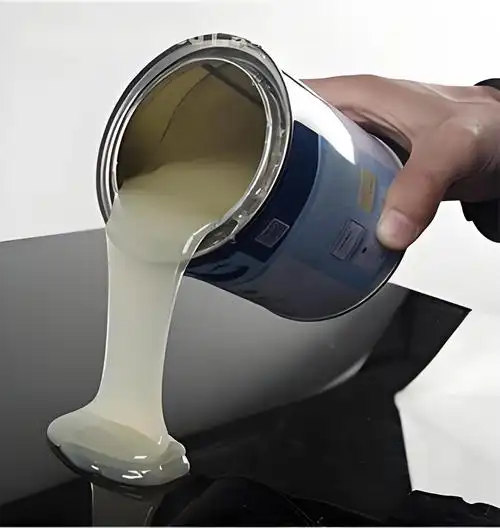
Marble Epoxy Waterproof Repair: A Complete Professional Guide – Updated for 2026
Marble epoxy waterproof repairs are amongst the very best and most widely used ways to repair marble and other types of natural stone surfaces. They can also be used effectively for repairing cracks, chips, joints, and areas that are susceptible to water leak (e.g., bathrooms, counters, sinks, and many others).
Marble epoxy waterproof repairs will provide you with the structural strength, waterproof sealing and aesthetic restoration you need—all in one solution!
Why Use Marble Epoxy To Repair Your Marble?
Marble epoxy repairs are made with two-component adhesive compounds (resin and hardener) that chemically “cure” to form a strong, dense, waterproof material. The cured epoxy creates a strong bond between the marble and the epoxy repair product, penetrating into the pores of the marble to permanently fill the repaired area.
Unlike ordinary glues or concrete products; however, marble epoxy is specifically designed and formulated for the stone. Because of this; marble epoxies can provide you with:
– Incredible adhesion to marble surfaces (after curing).
– No shrinkage; the total volume of the hardened epoxy will be equal to the volume of the epoxy prior to curing.
– Excellent waterproof performance capabilities.
– Exceptional resistance to heat, chemicals, and moisture.
Four Reasons Why Epoxies Are The Preferred Methods Of Repairing Water-Damaged Marble Surfaces:
– Excellent Waterproofing Capabilities
Epoxies have a very low rate of water absorption; therefore, they create an absolute seal preventing any further water from entering cracks or joints of the marble surface.
This capability is extremely important when considering areas such as:
– Showers and bathrooms
– Kitchen countertops
– Outdoor marble installations
– Structural Support
Along with providing mechanical strength by filling the cracks; epoxy repairs help return the mechanical strength of the marble the same way that the original structure of the marble did before it was damaged.
– Invisible Repair
Whether applying clear or a color-matched epoxy, the repaired areas will blend almost perfectly blending in with the veining of the marble; therefore, almost making the repairs invisible.
-The long-lasting durability of an epoxy adhesive is unmatched when compared to either cement or traditional adhesives. An epoxy adhesive will not crack or shrink and can provide years of performance in wet environments. An epoxy adhesive helps protect the marble from normal use and daily use cleaning products.
Epoxy has numerous applications for the repair of water damaged marble in both residential/commercial settings.
Examples of these applications include:
Repairing hairline and structural cracks in marble.
Filling in holes or chips in the marble.
Sealing/securing seams or joints in the marble.
Repairing bathrooms of water damaged marble.
Re-establishing an undermount sink and the surrounding areas.
Rebonding two pieces of broken marble together.
The following will outline the marble epoxy waterproof repair process:
Surface preparation.
The surface must be thoroughly cleaned before applying the epoxy (removal of dust, grease, and moisture). Acetone or some other appropriate solvent may be used prior to applying the epoxy to provide improved adhesion, but it is critical that the surface to which the epoxy is being applied is completely dry.
Note: If surface preparation is poor it will result in poor waterproofing.
Choosing the right type of epoxy.
Low viscosity epoxy for fine cracks (should penetrate into crack).
High viscosity epoxy for chips and to bond the two pieces of marble together.
UV resistant epoxy for white marble (protects from yellowing).
Mixing the epoxy.
Always follow the resin/hardener mixing ratio provided by the epoxy manufacturer.
It is also very important to mix the epoxy completely, otherwise, there will be soft and uncured areas in the repaired area of marble.
Application of the epoxy.
Inject/Apply epoxy into the crack or gap.
Be sure to fill the crack/gaps completely (eliminate all of the air pockets).
If sanding the area after the epoxy is cured, slightly overfill the repair area with the epoxy.
Curing.
Allow the epoxy to cure completely before using (12–24 hours).
Do not expose the epoxy to moisture during the curing period.
Finishing touches.
Scrape any excess epoxy away from the marble surface.
Sand and polish the area of the marble.
Optional additional waterproof protection.
After epoxy repairs on marble, a penetrating stone sealer is often applied by professionals providing enhanced overall waterproofing and stain resistance.
This step is critical for the following locations:
Shower floors.
Bathtubs.
Outdoor marble.
Common repair mistakes to avoid are:
Using regular glue instead of stone epoxy.
Applying epoxy on a wet surface.
Incorrect resin/hardener ratio.
Failure to fill the crack completely.
Not sealing the area after the repair.
If any of the above mistakes are made during the repair, there is a strong possibility that any of the following will occur:
Water leakage.
Weak bond of marble surfaces.
Visible repair markings on the repaired marble.
Compared to other types of marble repair, epoxy has the following advantages:
Waterproof.
Excellent.
Poor.
Bond strength.
Very high.
Medium.
Shrinking.
None.
Yes.
Durability.
Long term.
Short term.
Appearance.
Seamless.
Visible.
Epoxy is therefore the only reliable solution for performing waterproof repairs on marble.
Professional third-party services are recommended for the following situations:
Repairing structural cracks or large broken pieces of marble.
Repairing high-end marble surfaces where the colour needs to match or be as close to the original marble surfaces as possible.
Repairing bathrooms that failed to waterproof marble surfaces.
If marble repairs are performed incorrectly, the damage could worsen, or recur.
In summary:
Marble epoxy waterproof repair is the best and only accepted method to repair damaged stone and to ensure long-term water resistance. Because epoxy can bond, seal, and reinforce the marble, there are no comparable methods or products available.
Marble epoxy waterproof repair will extend the life of your marble surfaces, prevent further water damage to your marble surfaces, and maintain the same natural look of the marble surface.