
marble stone bonding glue recommendation

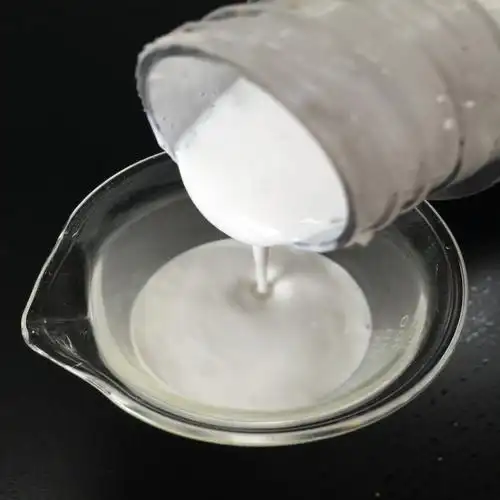
Marble Stone Adhesives Recommendations (Pros Advice)
There are many factors to consider when bonding marble with adhesives. Each type has its own advantages and disadvantages regarding bond strength, durability, water proofness, etc. This buying guide, written by professionals for both contractors and DIYers, provides a comprehensive overview.
Marble Stone Adhesives Recommendations (Pros Advice)
Essential Criteria for Choosing Marble Stone Adhesives
When looking for a marble adhesive, you will want to evaluate:
Bond Strength. The strongest form of adhesive is epoxy resin (with a bond strength of 2,000-3,500 psi). This typically provides the best mix of high bond strengths to durability and flexibility compared to polyester resin.
Water & Chemical Resistance. Because many marble bonding scenarios exist in kitchens and bathrooms, you need a marble adhesive that is waterproof and resistant to chemicals. In addition, this adhesive should not yellow over time when used on white marble products.
Gap Filling Ability. Some applications require the use of adhesives to bridge cracks or to compensate for varying surface heights.
Length of Working Time. An epoxy adhesive’s working time is often more than that of a polyester adhesive.
Curing Time. The curing time for epoxy adhesives is typically longer than for those of polyester adhesives.
For most commercial applications, the recommended choice is to use a two-part epoxy adhesive due to its superior bond strength and bond durability.
Best Marble Stone Adhesives Recommendations
🏆 BEST OVERALL-MARBLE ADHESIVE (PROFESSIONAL STONE EPOXY ADHESIVE)
Industry Level
Excellent bonding strength (>2100-3500 psi)
Excellent water and solvent resistance
Low shrinkage, great long-term durability
Can be used indoors and outdoors.
Issues with marble bonding: Epoxy adhesives outperform traditional marble adhesives by approximately 4- fold (with epoxy adhesive systems providing more than two times greater bonding strengths).
Benefits of using This Product:
1. You will be able to repair a large number of cracks quickly due to the fast curing time (within 20 minutes or so) of this product.
2. You can easily polish the product once it is done curing so that the finished product looks good.
3. When you tint this product with a color that is the same as the original marble, it will blend in well with the rest of the finished project.
Disadvantages of This Product:
1. Compared to epoxy, this product does not resist moisture well (lower than epoxy) and there is slight shrinking as it cures.
2. Despite these drawbacks, you can still make a wide variety of repairs using This product.
Where This product is Frequently Used:
1. Filling in cracks
2. Repairing edges
3. Making cosmetic repairs
*Epoxy is commonly used for making fast repairs on a variety of materials (marble is particularly easy to work with).
Features of the epoxy that makes it helpful for repairing small amounts of stone and for making emergency repairs by gluing things together include:
**Initial set time of approx 5 min.
**Easy to use (very beginner friendly).
**Can be used to repair either small chips or pieces of stone.
Where Is This Product Commonly Used For:
1. Small repairs.
2. Household repairs.
3. Temporary gluing.
**Ultra-Strong epoxy is not an ideal adhesive if you want to bond various different types of materials, however, they are fine to use in this regard and will work very well at doing this.
Advantages to Using Either of the Following Products Over a Different Epoxy Product (when bonding marble):
**The bonds created with either type of product will be above average strength (5-Star rating).
**Both types of bonding products are more affordable than most & also typically have good availability.
**The general performance of both products is equal (this does not apply to performance in relation to mixed material bonding due to the differences in the products being made).
**The two products listed above can therefore be used to demonstrate the same level of effectiveness when used in relation to any and all project types.