
Granite bonding glue for construction

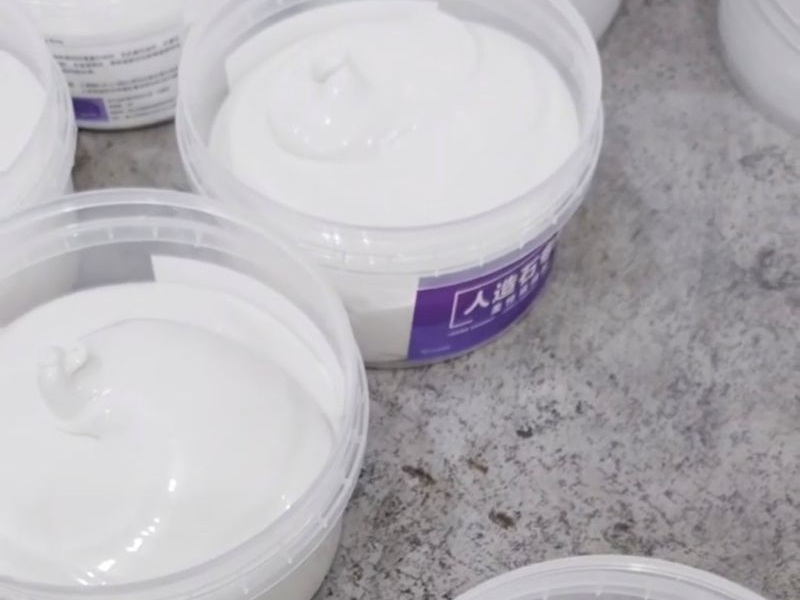
Building Look at the Relationship between the Capability of Adhesive Products and How Well Granite Performs as a Product
Granite has a very high level of durability as a building material and has a high level of being able to carry heavy loads (high-density) while at the same time being porous in nature (having a large amount of open space). Because of this, granite requires a strong bond to hold the pieces of the granite together (the slabs of granite) so that they do not move/shift, break/crack, or otherwise get damaged.
Different Types of Granite Bonding Adhesives Available for Professional Use
Granite bonding adhesive products manufactured for professionals have been designed so that they are both compatible with the stone and environmentally compatible based on meeting established performance benchmarks. There are several different types of adhesive products that can be used by a professional to adhere granite, all of which provide strong adhesive bonds:
– Epoxy Adhesive Products: (Epoxy glue is an industry standard adhesive with critical performance for adhesion in any structural application). Epoxy specifically consists of a combination of two components that, when mixed, create an extremely strong bond between the joined (separate) surfaces that exhibit bond strength to air, moisture, heat, and chemical attacks. (The most common use of epoxy is to attach granite surfaces (such as countertops) or attach non-granite surfaces to granite). In addition to initially creating a very strong adhesive bond, epoxy has excellent gap-filling abilities (the ability to fill joints so that they look smooth) and can be tinted to create a look of seamless joints requiring no caulk.
– Polyurethane Adhesive: (Polyurethane adhesive is a very flexible adhesive and can be used for bonding to any flat surface (dry) and flat surface (wet) and therefore may be used for any type of exterior bonding application (i.e., asphalt units, pool copings, etc.); typically polyurethanes have a relatively high tensile strength but will not bond as well as epoxy).
– Cement Based Adhesive Mortar (Thin-set): (Cement-based adhesive mortars are a popular option for bonding very large granite tiles/flooring and are the best option when a high bond is needed and little shrinkage occurs as a result of cement). Cement-based adhesive mortars are typically the most affordable option and can be installed with relative ease; are also great for both residential and commercial applications.
– Silicone Adhesives:(Silicone adhesive is a flexible adhesive and 100% waterproof; it can be used for both sealing joints and bonding materials that are not granite (like metals and glass) to granite. Silicone adhesive produces a rapid cure time and will not damage the surface of the granite.
Factors to Consider When Selecting Granite Bonding Adhesives
For granite bonding adhesives to be successful and provide good performance, consider the following factors before purchasing/using:
– Bond Strength – If using high tensile strength adhesives, you would generally have a
strong bond to sustain the weight of the granite being installed with the need for a bond strength to be approximately equal to the result of an epoxy adhesive used to bond granite, which gives a bond strength of approximately 3127 psi.
– Weather Resistance – If using granite bonding adhesive outside, select a granite epoxy adhesive that provides UV and water resistance.
– Surface Compatibility – Verify that the granite bonding adhesive is compatible with both the granite and the substrate(s) (e.g. wood, etc).