
Marble glue for bathroom countertops

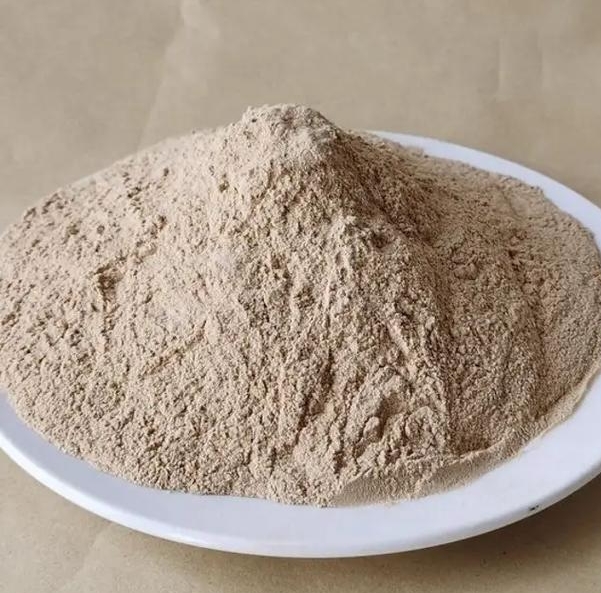
Selecting the Correct Adhesive for Long-Lasting Repairs to Bathroom Marble Countertops – Choosing the Right Type of Marble Glue for a Long-Term Solution to Repairing Marble Bathroom Countertops (for an Excellent Repair) Marble bathroom countertops are a beautiful addition to any space and bring natural beauty and elegance to any room. Constant exposure to moisture, cosmetics, temperature changes, and unintentional impacts may cause future damage in the form of chips or cracks, or may result in broken or loose parts due to excessive force. It is crucial that you select a proper marble glue to create a durable repair that has both the structural integrity and aesthetic appeal of the original marble material. This guide will help you understand the different types of marble adhesive that are available, along with the advantages and disadvantages of each type, and how to apply each type of adhesive correctly in order to ensure successful and reliable results. Why You Need a Special Type of Marble Adhesive for a Bathroom Countertop (and Why It Is Not Usually the Same as in Your Kitchen or Other Living Area) The reason that bathroom environments are different from kitchen or other living area environments is that bathrooms contain continuous humidity and repeated drying out of their surfaces because of moisture. Additionally, most household adhesives are not an appropriate adhesive for bonding marble to form a successful, long-term adhesive bond. Therefore, the proper adhesive for marble bathroom countertops should possess the following characteristics: • Moisture resistant – (to withstand high humidity and/or splashing water) • Enough bonding strength to form a bond between two dense, natural stones • No loss in adhesive volume after being cured (this will prevent you from seeing a gap between where your new piece of marble will be placed and where the old, original marble was) • Polishable to a match with the existing marble • Resistant to soaps and cosmetics Utilizing a proper stone adhesive ensures that your repair will continue to be stable when placed in a wet environment. Types of Marble Glues Available for the Repair of Marble Bathroom Countertops 1. Epoxy Stone Adhesive – Epoxy, two-part adhesives are one of the most reliable types of adhesives to use when repairing marble.
*Advantages of Epoxy Adhesive* • Extremely high bond strength • Excellent waterproofing / chemical resistance • Can be used as a structural repair or for filling cracks and small gaps or chips Epoxy is often used in the repair of cracked marble countertops; broken edges; re-attachment of separated pieces. The majority of professional stone restorers use epoxy because it provides a strong, durable, and permanent bond. Mixing epoxy usually must be done exactly as per directions and epoxy generally requires longer curing times than other adhesives. *Advantages of Polyester Adhesive for Stone Fabrication* Polyester adhesive is very common in the stone manufacturing industry, and offers the following advantages over other types of adhesives: • Fast curing times • Easy to sand and polish • Many color options available • Often less expensive for repairing a surface than other types of adhesives Polyester is commonly used to fill small cosmetic chips or cracks on bathroom countertops, however, although polyester will bond marble, it may not hold up as well to water/moisture compared to epoxy, thus making it more suitable for minor repairs, rather than structural bonding. *Advantages of Knife Grade Adhesives for Marble* Knife-grade adhesives have a thick sticky consistency similar to paste, thereby making them useful in repairing vertical surfaces and the edges of the marble. Examples of their use are: • Repairing chips from the corners of the marble • Filling in seams between pieces of marble • Repairing damaged edges of bathroom vanities Because knife-grade adhesives will not drip, they allow the ability to perform more precise repairs to visible areas of the marble surface. *How to Apply Marble Glue to a Bathroom Countertop* Proper preparation of the surfaces to be repaired or glued is essential to achieving a strong and “invisible” repair.Step 1: Clean all of the marble surfaces that are to be glued together. You can use a variety of types of chemicals to remove dust, soap film, and oil from all types of surfaces (including peroxide-type cleaning products or acetone), but make sure the surfaces are completely dry before using any adhesive to attach them. Step 2: Prepare the glue(s). There are various types of two-part epoxy glues; all two-part epoxy glues must be combined according to the manufacturer’s recommendations for the correct size of the resin/hardener ratio – having the right amounts of both the resin and hardener will enable the glue to cure properly. Step 3: Use Glue. For lightweight repairs, only apply an adequate amount of glue where it is needed (to be repaired) on the damaged area (or in case of repair of ‘crack’; use extra glue if needed for sanding later). Step 4: Keep Pieces Tightly Clamped (or Taped if Necessary). After you have put the broken piece back into the position, you should apply light pressure (for a short period) until the glue has set (this can be done with clamps or tape first if it is necessary to use them until they set). Step 5: Cure Adhesives. To be certain that an adhesive (which must have cured completely) is not wet; when an adhesive has completely hardened, always wait until an adhesive (which has partially hardened) has completely cured before using a countertop to ensure that it will be free of condensation. Most glues require hours of hardening to complete. Step 6: Sand and Buff. Once the adhesive has completely set, any damage/remnants of any part of the damaged piece will need to be removed with either sandpaper, etc.; or an ‘edge rep’ product can be used to remove the edge of the damaged piece to repair it. Professional results can only be achieved when using: • Adhesives should be specifically designed for natural stone materials • An adequate amount of adhesive to ensure that it does not stain the porous marble is recommended • Prior to using any colored/pigmented adhesive, (most) should test the adhesive in a concealed location is recommended • When using epoxy or polyester materials, it is always necessary to have proper/adequate ventilation in the workplace. Periodically, all marble countertop surfaces inside a bathroom need to be securely resealed to prevent water damage to the marble. In conclusion: the proper type of adhesive glue should be chosen for use with marble countertop repair to produce a repair that is strong, waterproof and ultimately will be visually ‘blended’ together after the repair is made. Epoxy adhesive materials provide structural integrity, durability and excellent wear properties, while polyester and knife-edge type gluing materials provide adequate visual repair and edge repair performance. Whether you’re a homeowner or contractor, through proper glue selection and effective application techniques/value size of materials purchased by contractors, damaged marble countertop surfaces can be restored to maintain the original beauty of a natural stone countertop marble through proper glue selection for many years of use.