
Best glue for granite countertop repair

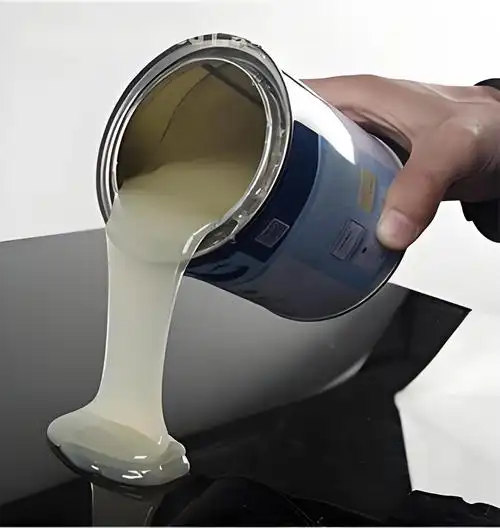
Professional and Practical Guide to Selecting the Best Adhesives for Repairing Granite Countertops
Due to prolonged thermal cycling, exposure to moisture, and ongoing mechanical wear, granite countertops are often chipped, have fine cracks, sometimes surface fractures, and experience separation of seams. The types of adhesives typically used by individuals in their homes do not possess the strength or ability to hold together stones long enough or provide an adequate amount of durability to restore stone products. The professional restoration of granite requires using specific stone adhesives that perform well in providing excellent adhesion to various types of stone and will withstand high levels of heat and moisture as well as provide reliable performance throughout the entire curing process. This guide will help you understand how to choose the best adhesive for the type of damage that your granite countertop has experienced.
1.) Best Overall: Two-part epoxy adhesive (Resin/Hardeners) is known as the standard adhesive used by professionals to restore granite countertops. The reason for this is that it creates rigid and permanent bonds that mimic the weight and structural characteristics of granite. Therefore, two-part epoxies provide a level of resistance against kitchen heat, ambient humidity, staining, and routine wear and tear that together provide long-term structural stability.
Where to use: Ideal for structural cracks; open seam gaps; lifted or detached sections of countertop; and deep surface chipping, the two-part epoxy adhesive has great gap-filling characteristics and is shrink-free after full curing, therefore ensuring solid bonding with no flaws.
Professional benefits of: High-end epoxy systems such as LamLock RocketGel 25 Minute Epoxy have special pigment colors pre-mixed to match the natural stone’s grain and color. When you complete your granite repairs, they will look as if they were never damaged, and will seamlessly blend with the granite’s natural grain.The cured topcoat is crystal clear and UV-stabilized so that it will not turn yellow over time, and it can be completely polished out if post-repair sanding and buffing are performed to restore the original smooth and uniform surface finish of the countertop.
2. Fast Repair Option: Cyanoacrylate (Super Glue for Stone)
Cyanoacrylate is a special type of adhesive that is intended for rapid curing during small superficial repairs on granite surfaces. It avoids the difficult mixing process usually required prior to application, with the end result being time-savings and ease of performing small repairs to small, non-structurally significant surface imperfections.
This type of adhesive may be used in the following situations: Micro chips, very faint or small hairline surface crack(s) and small surface nicks that are not subject to a structural load/stress.
Limitations: Cyanoacrylate adhesive has a very limited gap-filling application because of the lack of filling materials, and it has much lower thermal stability than epoxy. Cyanoacrylate is intended only for cosmetic repairs of surface imperfections. Cam cannot provide structural (load bearing) bonding capabilities, nor can it be used to create a permanent seam.
3. Auxiliary Options: Polyester Resin and Silicone Adhesive
Polyester: This is a less expensive alternative to epoxy for low-use stone repairs. It has adequate bonding ability for shallow surface cracks and small seams but not for any high-heat applications or long-term stability on non-high-use, non-heat-exposed granite.
Silicone: This is primarily used to seal and waterproof micro gapped and caulk edges of granite countertops, rather than as a structural adhesive. Silicone has absolutely no load-bearing capacity.
Standard Operating Procedures for Restoring Granite Countertops to Like-New Quality
1. Proper Surface Cleaning: All oils, dust, debris and moisture that may remain in or around damaged areas must be completely cleaned from surfaces to which adhesive will be applied. Clean, dry, oil-free surfaces will maximize adhesion and result in repairs that will last.
2. Proper Adhesive Selection: Two-part epoxy should be used for all structural repairs and large restoration projects. Stone-grade cyanoacrylate should be used on small cosmetic surface imperfections in a single step application.
3. Maintaining Adhesive Bonding Throughout Curing: Throughout the curing process, do not touch, clean or utilize a countertop. This will help ensure that the restoration of the tops will be bonded, free from imperfections at the finished surface, and provide a long-lasting repair.
Conclusion
For professional, durable, seamless granite countertop restoration, the best solution for all structural repairs in either residential or commercial use is two-part epoxy with the same color as the existing granite countertops. Rapid, minor cosmetic surface repairs can be performed using stone-grade cyanoacrylate.