
Waterproof adhesive for stone

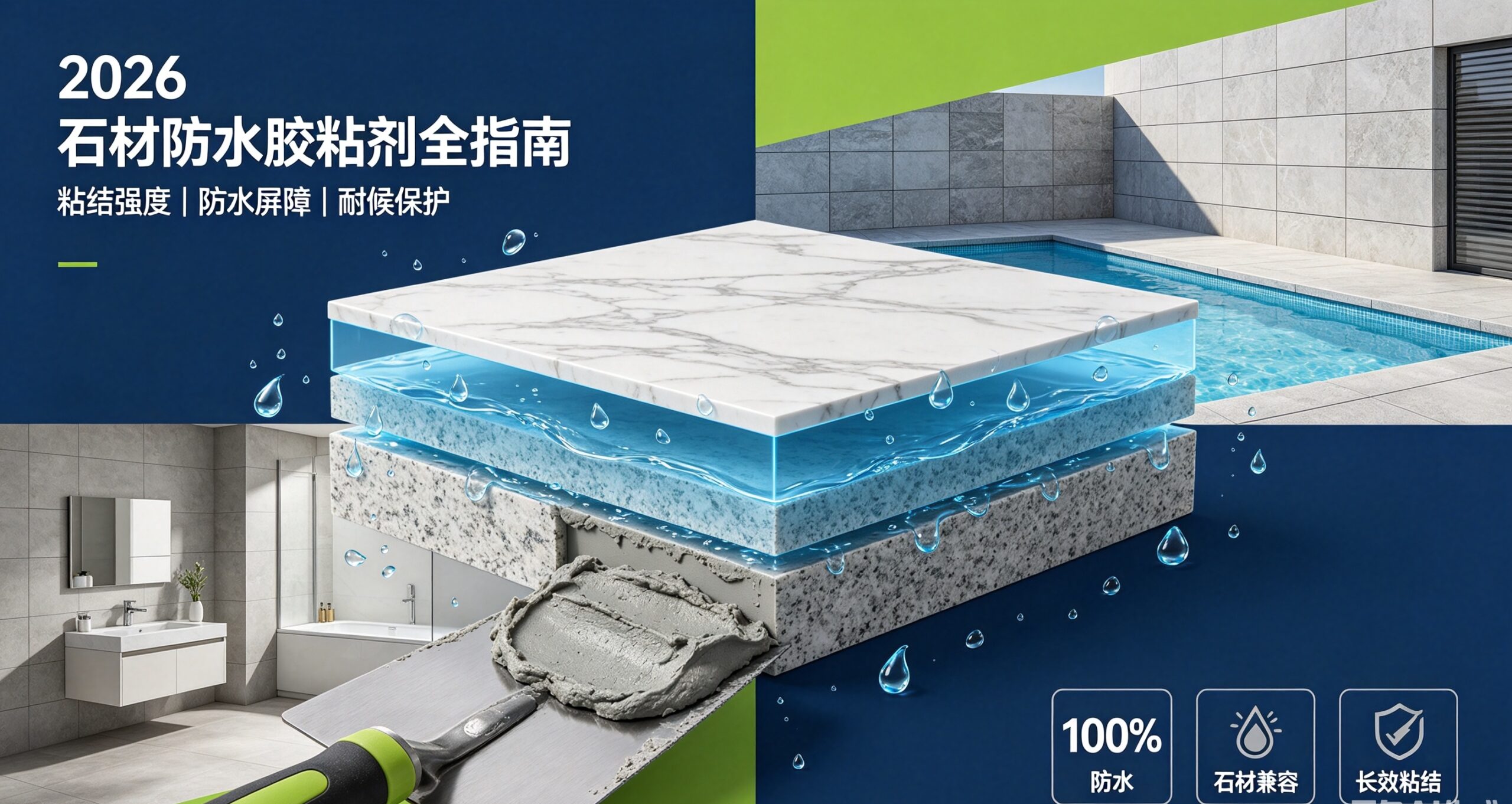
A Comprehensive Guide to Waterproof Adhesive for Stone in 2026
Waterproof adhesive for stone is an adhesive manufactured to bond stones together while preventing water. Different from regular tile adhesives that become ineffective after coming into constant contact with water, waterproof adhesive for stone retains its adhesion by keeping water from travelling through the stone while preventing it from being damaged by moisture or discoloring.
Thus, this article aims at supplying readers with the information related to waterproof adhesive for stone including its kinds, key features, factors to consider while choosing such an adhesive, application process, and what to do after the adhesive has been applied.
The Necessity of Waterproof Adhesive for Stone
Certain types of stones, like marble and granite are very porous. Ordinary cement-based adhesives fail to keep these stones protected from moisture and are not suitable for these types of rocks.The key benefits of a waterproof glue consist of:
– The absence of efflorescence. This way you reduce the risk of white salt (efflorescence) appearance, as well as staining and discoloration;
– The absence of debonding. When moisture appears in the glue layer, it will affect the adhesion and lead to hollow tiles;
– No damage due to freeze-thaw processes. In the case of outdoor stone cladding, water penetration may lead to expansion and contraction due to the freeze-thaw processes, thus damaging the stone and adhesive bonds.
– The absence of mold and mildew. Moisture in the cracks and in the substrate contributes to the formation of mold, mildew, and microorganisms in wet household areas. The waterproof barrier prevents the microorganisms from developing on the stone surface.
– Greatly prolonging the lifetime of the project. Simple adhesive may fail or wear out after 2-5 years of use in wet conditions. However, quality waterproof stoneThis fabric has a very high bonding strength and is 100% waterproof and has excellent resistance to chemicals and does not shrink after hardening.
Use for: tiling pools, stone walls and floors in bathrooms and showers, stone countertops, stone facades and heavy slabs.
Advantages: 100% waterproof, anti-corrosion, resistant to time, with great gap-filling capacity.
Disadvantages: more time to harden, more expensive and requires professional mixing for use of two-component technology.
Best used for stone installations outdoors, tile on balconies, travertine and soft stones as well as projects requiring flexibility and resistance to cracking.
Pros: great flexibility, good resistance to UV, can be used in wet and even underwater conditions, hardens at low temperature.
Cons: lower strength compared to epoxy and is not meant for heavy stone blocks.
A special waterproof adhesive-type of modified cement that has been developed by adding waterproofing additives into regular tile glue.
In construction works it has a fair amount of water resistance and adhesive strength.
Great for any indoor wet space and cheap stone work.
Pros: low cost, easy application, good adjustability in building site and environmentally-safe.
Cons: limited adhesion and water resistance when compared with epoxy and PU.
MS polymer and silicone stone glues are a special species of hybrid sealant-glue which is characterized by very high flexibility, proper weather-resistance and underwater bonding.The best application of this adhesive is to seal stone seams and edges, repair small stones, and use as caulking.The crucial qualities of good stone waterproof adhesive
When selecting the right waterproof adhesive for stonework consider the following qualities necessary for proper installation:
– 100% waterproofing: High-quality adhesives create a waterproof coating during curing and become impermeable to moisture and water, making them suitable to use in submerged places and in high-humidity environments.
– Compatibility with stone: Non-corrosive formula prevents staining, corrosion, and fading of stone surfaces and is safe for porous (i.e., travertine, limestone) as well as tight stone (i.e., granite, marble).
– Long-lasting adhesion: An adhesive must have a lasting bond, being able to resist temperature variations and shocks, and remain intact when wet.
– Weather resistance and resistance to UV rays: An outdoor adhesive is able to withstand the effects of age, humidity, and temperature variations, including high concentration of sunlight.
– Flexibility and strength: Flexible glue should not allow cracks forming in the adhesive layer and consequently guarantees waterproofing.
– Eco-friendliness and minimal odor: A properly cured adhesive must not contain formaldehyde and has a low smell which complies with the standards.Choosing The Right Waterproof Adhesive For Stone: Practical Tips
Using the right adhesive according to your needs is crucial for the successful process of installation. It provides maximum waterproofing, corrosion resistance, and amazing durability ensuring the resistance to both water pressure and the chemical effect of water in pools.
1. Bathrooms, Showers, and Kitchens (damp areas): In this case, either epoxy glue or high-quality waterproof modified cement glue can be used. It will prevent efflorescence, and mildew, allow frequent use of water, and also keep humidity high.
2. Exterior Walls and Outside Terraces: Be sure to use PU or MS polymer waterproof adhesive because they have UV protection and thermal shock resistance.
3. Absorbent Soft Stones (Travertine, Limestone, and Sandstone): Flexible, low-staining waterproof glue would help you avoid damages to the substrate and achieve reliable adhesion without voids between the materials.
4. Fixing stones and Sealing Cracks: For flexible bonding and sealing be sure to use the MS polymer waterproof adhesive.
5. Proper Installation of Waterproof Adhesives
Even a good waterproof adhesive can fail if applied improperly. Follow the steps of application given below in order to achieve reliable waterproofing and adhesion.
Step 1: Surface Preparation
Make sure to clean the surface thoroughly, getting rid of dust, grease, cement and water. Ensure that the surface is smooth, solid, and dry. Repair any cracks on the surface in advance in order to avoid hollow adhesion.
Step 2: Pre-Treating Stones
Clean and dry the back side of stone slabs. If you deal with porous stones, you may apply a stone primer for better adhesion of adhesive.
Step 3: Preparing the Adhesive
If the adhesive has several components, mix the resin with the hardener according to the instruction in the manual. Introduce a lot of air into the mixture.
Step 4: Laying the Stone
Position the stone slab on the glue layer, apply pressure to the stone. The stone should be leveled and positioned during the stated time.